


Local SEO for spas examines how location-based search visibility actually drives bookings by connecting nearby clients with the services they’re already looking for. This article breaks down why many spas misunderstand local SEO as just “being on Google,” when in reality it’s a mix of relevance, proximity, reputation, and consistency that determines who shows up first. As local search behavior shifts toward maps, mobile, and reviews, understanding how these pieces work together has become essential for steady, competitive growth.

Ready to unlock the secret to steady growth and success?
Unlocking the Power of Local SEO for Spas
Local SEO for spas is essential for any spa owner aiming to increase bookings and gain an edge over competitors.
Nowadays, when potential customers search for wellness treatments or beauty therapies, they turn to Google search and local search engines on their smartphones. If your spa doesn’t appear at the top of these local search results, you miss out on valuable traffic and income.
Getting started with spa SEO helps ensure your services, location pages, and business profile are visible right where clients are searching.
By optimizing your Google Business Profile and leveraging customer reviews, you not only boost your standing on Google Maps but also build trust in your community.
Local SEO highlights your expertise, reliability, and customer care, making your spa the destination for relaxation and wellness in your area. Let's dive into the strategies that truly move the needle for local business growth.
Why Local SEO for Spas Matters Now More Than Ever
Spa owners face fierce competition—not just from other spas, but from salons, wellness centers, and massage clinics. With more clients depending on their smartphones for choices, getting noticed in local search is crucial.
Local SEO places your spa front and center on Google Maps, increasing both walk-in and online bookings. For the spa industry, this means your business stays top-of-mind when someone nearby is looking for treatments like massages or facials, making local optimization a must-have in today’s digital landscape.
Your business profile acts as your digital handshake. An optimized profile, complete with attention-grabbing images and consistent contact information, quickly reassures potential customers they’re making the right choice.
High visibility in local search leads to increased credibility, more positive reviews, and ultimately more bookings—which is the foundation of a thriving spa business.
How Local Search Influences Your Spa Business Growth
Local search is more than just a digital phonebook. It connects clients to spas at the very moment they are ready to book.
Appearing higher in local search results means every person searching for “spa near me” is more likely to see your business first. These searches result in real bookings—you’re not just getting clicks, you’re getting clients who are ready to visit.
Additionally, ranking high for local SEO for spas keeps your business growing through recommendations, increased foot traffic, and brand recognition.
Clients who find you locally are more likely to leave positive reviews, refer friends, and return for new services. By investing in the right SEO tactics today, you pave the way for consistent, long-term business growth.
“Local SEO for spas is the most effective way to capture your nearby audience, converting online searches into real bookings.”
What You'll Learn in This Comprehensive Guide
The fundamentals of local SEO for spas
Optimizing your Google Business Profile
Building high-converting service pages
Leveraging social media and local links
Tracking performance and adapting strategies
Understanding Local SEO for Spas: Key Concepts Breakdown
What Is Local SEO for Spas?
Local SEO for spas is a specialized form of search engine optimization focused on helping your business appear at the top of search results when people nearby look for spa services.
This means targeting searches like “spa near me” or “best massage in [your city]” so that your business shines on Google Maps and in local search engine results.
Unlike traditional SEO, which often targets a broader, sometimes global audience, local SEO zeroes in on your community, giving you a powerful way to compete against both large and small competitors within your service area.
A strong local SEO strategy combines optimizing your Google Business Profile, cultivating positive online reviews, maintaining accurate business information across web directories, and creating content that speaks directly to the needs of your local clients.
Whether you own a boutique spa or manage a larger wellness center, these techniques help populate your business profile and service pages at the top of search results, putting you in front of more ready-to-book potential customers.

Difference Between Local SEO and Traditional Search Engine Optimization
Traditional search engine optimization aims to make websites rank higher for relevant keywords on a national or even global scale.
This includes general keyword research, content creation, and technical SEO fixes. Local SEO for spas, on the other hand, goes further by targeting potential customers specifically in your area—people who are actively looking for spa services within a certain distance from your business.
This means optimizing not only your website, but also your business profile on Google, local citations, and client-driven reviews.
By focusing on geographical relevance, local SEO ensures that your spa stands out in Google Maps and in the coveted “Google Map Pack”—the top three local business listings that appear when someone conducts a service-related query in their vicinity.
Optimizing for location-specific keywords, properly formatted location pages, and reviewing how your business appears across various platforms makes all the difference in attracting walk-ins and appointments.
Local SEO for Spas |
Traditional SEO |
|---|---|
Focuses on nearby clients |
Targets a global or national audience |
Emphasizes Google Maps and local search |
Prioritizes organic results |
Optimizes business profiles and location pages |
Optimizes general website content |
How Search Engines Rank Spas in Local Search
Search engines like Google prioritize businesses that are both relevant and proximate to the searcher. For spas, ranking high in local search depends heavily on three things: relevance, distance, and prominence.
Relevance is determined by how closely your business matches what the user is searching for—using targeted keywords and detailed service descriptions.
Distance is calculated based on how close the searcher is to your spa’s address, as listed on your Google Business Profile and location pages. Prominence involves your reputation, which means reviews, ratings, and overall online presence play a major role.
When you optimize your site with service and location-specific keywords, encourage positive client reviews, and ensure your name, address, and phone details (NAP) are correct everywhere, you send strong signals to search engines.
This leads your spa to appear at the top of local search results, directly in the Google Map Pack, and even sometimes before paid ads.
Good local search rankings lead to more website visits, calls, and walk-ins—helping you turn online searches into new appointments every day.

Getting Started: Essential Steps in Local SEO for Spas
Google Business Profile Optimization for Spas
Nothing impacts your local SEO more than a well-optimized Google Business Profile. The first step is to claim or create your listing. Ensure every detail is correct—your name, address, phone number (NAP), website, and business hours must all be accurate and consistent across the web.
Select the best categories for your spa (“Day Spa,” “Massage Spa,” etc.) so Google knows precisely what services you offer.
Setting up your Google Business Profile
Accurate business information: name, address, phone (NAP)
Choosing the right categories for your spa
Adding attractive images and service descriptions
Don’t underestimate the power of visuals and descriptive, keyword-rich content on your business profile.
Upload high-quality images of your space, staff, treatments, and happy clients to attract engagement. Write unique descriptions of your signature services, and add features clients love—like online booking, appointment links, or instant messaging options.
This gives Google more information to work with and entices people to choose your spa in search results.

Building a Strong Online Presence for Your Spa
A compelling online presence is more than just a website. It’s about maintaining a consistent, attractive identity across all digital channels.
Think of your online presence as the collective impression your spa leaves—whether on Google maps, social media, Yelp, or local business directories.
Each mention, profile, or review acts as a signal boosting your local SEO and helping you rank higher in search engine results.
Ensure your business information is identical everywhere. Use the same NAP details on every platform, and maintain active, up-to-date listings.
Share regular updates, post new photos, and engage with followers to keep your brand fresh. Build trust and familiarity by highlighting awards, featuring client testimonials, and showcasing your unique atmosphere.
The more complete and interconnected your online identity, the more likely search engines are to reward you with top local rankings.
Location Pages: Make it Easy for Clients to Find You
If you operate in more than one city—or even several neighborhoods—dedicated location pages are your secret weapon.
Each page should have unique content tailored to the specific local audience, including clear driving directions, parking info, nearby landmarks, and location-specific service details.
Incorporate relevant keywords for each area, and remember to add your address, phone number, and a clickable Google Maps embed for easy access.
Not only do location pages boost your visibility in local search, but they also improve the user experience, making it seamless for clients to book the right location.
These pages serve as landing zones for searches like “spa in [city]” or “massage near [neighborhood],” drawing more targeted traffic and increasing booking rates for each branch or service area.
Keyword Research for Local SEO for Spas
How to Find the Best Keywords for Your Spa’s Local SEO
Effective keyword research is the cornerstone of local SEO for spas. Start by identifying your core service keywords—these are the words clients use to find treatments you offer, such as “massage,” “facial,” “aromatherapy,” or “spa packages.”
Then, add local modifiers like “near me,” “in [city],” or neighborhood names to zero in on nearby searches.
Use keyword research tools (like Google Keyword Planner or SEMrush) to discover what your target audience is actually typing, prioritizing keywords with high volume and clear local intent.
Identify core service keywords (e.g., massages, facials, wellness)
Add location modifiers (e.g., near me, in [city])
Use keyword research tools for local insights
Analyzing competitors’ websites and business profiles can also spark ideas for additional keywords you might be missing.
Look at the language they use on their service pages, location pages, and Google listings. Prioritize phrases that mix your top services with geographical tags, and keep updating your research as search trends evolve.

Incorporating Keywords into Service Pages and Location Pages
Once you’ve found your target keywords, it’s time to put them to work. Integrate these phrases naturally into your service pages—in headings, short descriptions, meta descriptions, and throughout your content.
For example, a massage page for a Boston spa should include phrases like “deep tissue massage in Boston” or “relaxation massage near Back Bay.”
Extend this strategy to your location pages, making sure each one targets relevant local keywords without repeating the same exact phrasing across multiple pages.
Avoid keyword stuffing—write for real people, not just for search engines. Each page should focus on the user’s intent, offering clear explanations of your services, booking options, and tailored benefits.
Use schema markup and localized title tags for an extra visibility boost. This method helps search engines understand your business, which in turn improves your local search ranking and makes your site more helpful for potential clients ready to book.
Optimizing Service Pages for Enhanced Local Search Results
What Should a High-Converting Service Page Include?
A high-converting service page is designed to answer all the questions a client might have before booking.
Each page should clearly explain what the service involves, who it’s for, and what makes your spa’s offering unique.
Add tempting calls-to-action (like “Book Now” or “Call Us Today”), service-specific keywords for your local SEO for spas strategy, and display easy-to-spot contact details.
Clear descriptions of spa services
Call-to-action buttons (book now, call us)
Service-specific keywords for local seo for spas
Customer reviews and testimonials
Client testimonials and online reviews are especially effective here. Including real feedback builds trust, gives your page credibility, and supports your search engine ranking for local queries.
Engaging images, detailed pricing, and information about your team also make your service pages stand out among competitors.
Best Practices: Local SEO for Spas on Service Pages
When writing service pages for spa seo, focus on both clarity and localization. Use headings that incorporate location-specific keywords, include frequently asked questions, and make booking simple with visible buttons.
Keep your information up to date and ensure your business address and phone number are always correct.
Take advantage of structured data formats, like schema markup, for services and local business—making it easier for search engines to read and display your site in enhanced results like map packs and featured snippets.
Regularly add new content to your service pages, such as blog posts about trending treatments, seasonal offers, or educational wellness tips.
This signals to search engines that your website is active and relevant—boosting your rankings further.
Don’t forget those all-important reviews—organic, positive feedback directly on your service pages reinforces your reputation as a trusted provider in your local search area.
“Well-optimized service pages not only improve local search rankings but also increase bookings and walk-in clients.”
Mastering Google Maps and Local Search for Spas

How Google Maps Determines Spa Rankings
Google Maps uses a specialized algorithm when displaying local businesses, including spas. It analyzes relevance (how closely your business matches the searcher’s query), proximity (distance from the searcher), and prominence (how established your business looks online).
These factors are influenced by your Google Business Profile, reviews, and consistency in your business information across the web.
Maintaining accurate NAP (name, address, phone number) details across every platform solidifies your presence.
High-quality images, frequent client reviews, and active engagement on your Google profile all play into your spa’s odds of ranking in the Google Map Pack—a highly visible section that can drive a sudden increase in foot traffic and bookings when you land there.
Tips to Appear Higher in Google Map Pack for Local SEO
Encourage client reviews and respond promptly
Use consistent NAP details across the web
Offer updated and rich visual content
Ask satisfied customers for feedback, monitor and respond to reviews, and update your photos seasonally. These actions show Google—and your prospective clients—that your spa is active, attentive, and engaged.
Over time, these small steps result in higher Google Maps positioning, increased credibility, and improved visibility in local search results.
Reputation Management: Leverage Reviews for Local SEO for Spas
Collecting and Showcasing Google Reviews
Google reviews are a powerful trust signal for your spa. The more positive, recent reviews your business has, the higher it will rank in local search and on Google Maps.
Make it easy for happy customers to leave feedback by giving them direct links after appointments or mentioning it in person. Actively showcase your best reviews on your website and social media for added credibility.
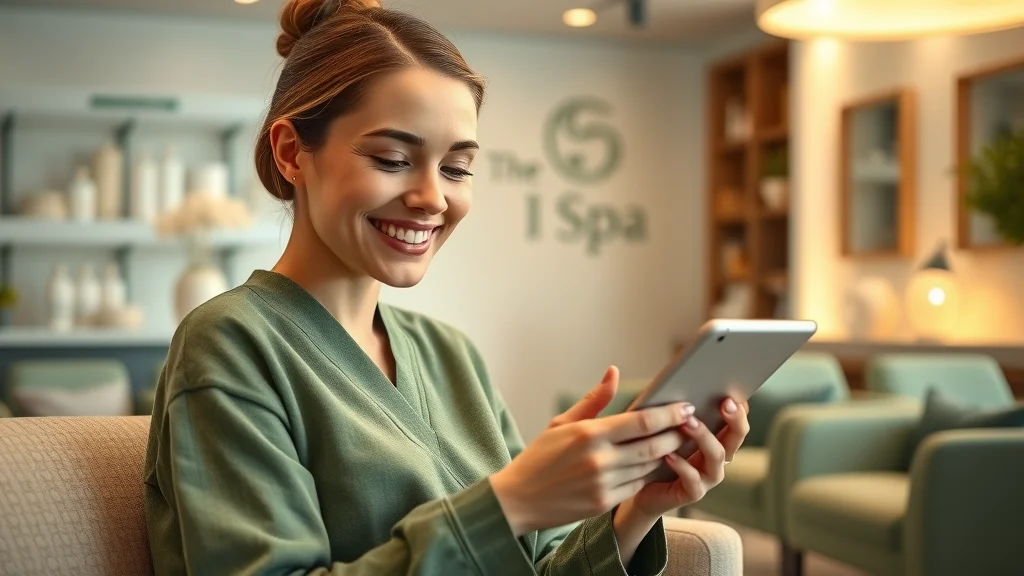
Building a robust review profile also means responding to all feedback, positive or negative. Thank clients for their comments, and personalize your replies to build community trust.
This attention reinforces your reputation and signals to search engines that your business is not only relevant but also active and valued in your area.
Addressing Negative Feedback Professionally
Every business receives occasional negative reviews. The key is to address them promptly and professionally. Respond respectfully, apologize when necessary, and offer to resolve the issue offline whenever possible.
This not only reassures the original reviewer but also shows potential clients that you care about every guest’s experience.
Google and other search engines view your interactions as part of your overall business quality.
A thoughtful response can help turn a negative experience into a future positive review and demonstrates your commitment to exceptional service—both online and offline.
Promoting Your Spa with Social Media and Local Links
How Social Media Supports Local SEO for Spas
Active social media profiles do more than keep your current clients engaged—they also amplify your local SEO efforts.
Posting updates, before-and-after treatment pics, staff spotlights, and promotions increases your visibility online, encouraging shares and driving new visitors to your website and business profile.
Social signals (likes, shares, comments) may also help your site appear more reputable in the eyes of search engines.
Tag your location, collaborate with local influencers, and use hashtags that combine your services with your city or neighborhood (#SpaNYC, #RelaxBoston).
This local focus turns casual browsers into future bookings, while also strengthening your spa’s connection with the wider wellness community.

Creating Local Partnerships and Backlinks
Building relationships with other local businesses, charities, and influencers is a tried-and-true way to earn high-value local backlinks.
These links tell search engines that your business is part of the community and improve your authority in local search.
Host events, cross-promote with gyms or health food stores, and sponsor local wellness fairs or charity events.
Every collaboration or mention online creates new pathways for potential customers to find your spa—and every backlink adds another signal boosting your search engine position.
Tactic |
Benefit for Local SEO for Spas |
|---|---|
Co-hosting with local wellness influencers |
Increases visibility and authority |
Sponsoring community events |
Earns mentions and links from local sources |
Cross-promotions with other local businesses |
Expands client base and enhances trust |
Technical SEO for Spas: Easy Fixes that Work
Mobile Optimization for Spa Websites
Most local searches for spas now happen on mobile devices. If your site is slow or difficult to use on smartphones, you risk losing clients before they even get to your booking page.
Ensure your website is fully responsive—meaning it looks great and works smoothly no matter the screen size. Prioritize fast load times, easy navigation, and visible calls-to-action like “Book Now” or “Call.”

Optimizing your site for mobile also means compressing images, simplifying forms, and limiting pop-ups. When search engines crawl your site, they pay attention to user experience—and a seamless mobile page sends strong positive signals for local search rankings.
Speed and Accessibility: Keeping Visitors Happy
A fast, accessible site leads to happier visitors—and better rankings in both local and global search engine results.
Compress images, use simple navigation, and ensure your content is readable for everyone, including those with disabilities (add alt tags for all images, clear font, and sufficient contrast). Implement caching and optimize page structure to cut down on loading times.
Google rewards user experience. The easier it is for people to use your website on any device, the more likely it is to show up at the top of search results when they need a spa service near them.
Tracking Local SEO for Spas: Metrics and Progress
Key Performance Indicators for Spa Local SEO
Knowing what’s working (and what isn’t) is essential to growing your spa with local SEO. Track your most important metrics to measure progress and fine-tune your approach over time.
These include insights from your Google Business Profile (like views, calls, and clicks), increases in website traffic from local searches, and the number of booking or call conversions generated from local search campaigns.
Google Business Profile insights
Website traffic from local searches
Phone call and booking conversions
Regular reviews of these KPIs help you identify which strategies attract the most clients. Adjust your approach based on the data and keep an eye on trends—like increased searches for certain treatments or rising demand in particular neighborhoods.
The better your tracking, the smarter your future marketing decisions will be.
Adapting Your Local SEO Strategy for Continuous Growth
Local SEO is never “set and forget.” Monitor your performance, solicit ongoing feedback from clients, and stay updated on search engine changes.
Adjust your Google Business Profile, service pages, and location pages as you expand or refine your services.
Engage with the community both online and offline, and always look for new keywords, content ideas, and collaboration opportunities.
Consistent updates and a willingness to adapt keep your spa at the top of local search results—ensuring you don’t just get more clients, but that you build loyalty and recognition that lasts for years.

Case Studies: Successful Local SEO for Spas
Real-World Examples: Spas That Achieved Higher Search Engine Rankings
Consider a local wellness spa in Atlanta that struggled to attract walk-in customers. After optimizing their Google Business Profile with updated information, fresh photos, and regular posts, they saw a 40% increase in map views within three months.
They also launched updated service pages targeting high-volume local keywords and encouraged clients to leave reviews, landing them in the Google Map Pack for “spa near me.”
Another example—a small spa in Portland—partnered with a neighboring yoga studio to offer cross-promotions and earned valuable backlinks from local event listings.
This drove a surge in referral traffic to their website and higher rankings for both general and specific service searches, like “facial near me” and “spa day in Portland.”
Step-by-step walkthrough video demonstrating Google Business Profile optimization for a spa, including real interface navigation and practical tips.
People Also Ask About Local SEO for Spas
How can local SEO for spas increase client bookings?
[Answer Paragraph]
Local SEO for spas puts your business directly in front of people searching for treatments nearby, making it more likely they’ll book with you.
By appearing in the top spots of Google search and Google Maps, your spa captures high-intent clients who are ready to make a reservation.
As you build more positive reviews and keep your information accurate, trust in your brand grows—resulting in higher booking rates both online and through walk-ins.
What is the best way to set up a Google Business Profile for a spa?
[Answer Paragraph]
Start by claiming your Google Business Profile and filling in every field—name, address, phone number (NAP), website, hours, and services.
Choose the most relevant categories (like “Spa,” “Massage Spa,” or “Facial Spa”). Upload high-quality photos and write unique descriptions for your treatments.
Add booking options if possible, and encourage happy clients to leave reviews. This ensures your spa appears correctly in local search results and on Google Maps.
How important are online reviews in local SEO for spas?
[Answer Paragraph]
Online reviews are crucial for local SEO for spas. Positive client feedback helps your business rank higher on Google Maps and in the local search pack.
Reviews also build credibility and trust, influencing new clients to choose your spa over competitors.
Regularly collect, showcase, and respond to both positive and negative reviews to keep your reputation strong and your search ranking high.
Can social media influence local SEO for spas?
[Answer Paragraph]
Absolutely. Engaging social media profiles increase your online presence and can drive traffic to your website and Google Business Profile.
Tagging your location, using local hashtags, and sharing regular posts help your spa appear more relevant in local searches.
Social media activity can also attract new reviews and backlinks, both of which strengthen your local SEO for spas strategy.
Essential FAQs: Local SEO for Spas
What platforms help most with local SEO for spas?
How often should you update your local business profile?
Do images impact local SEO for spas?
Is technical SEO necessary for small spas?
How long does it take to see results from local SEO for spas?
Key Takeaways for Boosting Spa Visibility with Local SEO
Accurate and consistent business information is crucial
Strong Google Business Profile drives search and map visibility
Client reviews make or break local SEO for spas
Effective service pages attract and convert new clients
Ongoing strategy adapts to ever-changing local SEO trends




Write A Comment