


"People do not care how much you know until they know how much you care." This is the dividing line between a spa that feels like a routine, and a spa people feel attached to. Spa customer engagement emails aren’t about broadcasting—they’re about showing you notice the silent loyalty of your regulars.
It’s easy to get lost in the swirl of “email marketing” and “client retention” strategies, but in a real spa, the only emails that matter are the ones that land with genuine weight. Spa customer engagement emails either hit different—they’re remembered a few weeks later when someone is rebooking on muscle memory.
Those are the emails that make a client think, "They noticed." Forget polish: what matters is the sense that there’s a real person on the other side paying attention, the kind of awareness that doesn’t come from a software dashboard.
If you’ve ever scrolled through your email list at closing and wondered who’s overdue for a note or apology, or if a last-minute slot can go to your Wednesday regular instead of a discount seeker, you know what this is about.
Here’s how spas who get it keep clients coming back—without relying on shiny templates or desperate sales.
What You’ll Learn About Spa Customer Engagement Emails
How real spa operations use customer engagement emails—not abstractions
Specific ways that spas keep clients coming back (beyond discounts)
Practical spa email marketing tactics that work in the real world
Mistakes that undermine client relationships via email
Human cues that make your spa email more likely to be opened
Quick Table: Spa Customer Engagement Email Strategies That Actually Land
Spa Email Tactic |
Operational Example |
When It Works Best |
Watch Outs |
|---|---|---|---|
Birthday Offer |
The therapist remembers your favorite aromatherapy blend each year |
Week before or after birthday, not just “on the day” |
Generic templates kill the effect |
Last-Minute Openings |
Direct message to your Friday regular about a same-day slot |
Only for true regulars |
Looks desperate if sent to the whole list |
Post-Service Check-Ins |
Email referencing shoulder tension discussed during last visit |
Within 24-48 hours after the appointment |
Don’t turn into a survey |
Referral Notes |
A handwritten thank you for sending in a friend |
When referral is confirmed—don’t delay |
Too transactional kills trust |
Targeted Special Offers |
Facial mask upgrade for people who book facials but never upsell |
Right before seasonal skin changes |
Never mass-send to all services |

1. Birthday Spa Email That Feels Less Promotional, More Personal
Anyone who’s worked a front desk knows the difference between a happy birthday email that gets an eye roll, and the one that makes someone call in to say "thank you."
The real move is referencing something they looked at last visit—a specific product, a blend, an off-menu lotion you let them sample. If their birthday falls on the day you’re closed, you mention you remembered anyway.
Real spas don’t tie the whole “celebrate with us!” message to a coupon code or expiration date—sometimes you simply say happy birthday, maybe toss in a “hey, if you want your usual rosemary blend, it’s set aside.”
It’s never the promotional email energy that works, it’s the sense that you paid enough attention to send a personalized email that only they could have received.
How Spa Customer Engagement Emails Can Celebrate Clients’ Actual Preferences
Do it even when their birthday falls on a closed day
Mention a product they always ask about—not just a generic pop-up offer
You want it to feel like someone in the med spa or spa front desk actually wrote it, not like a feature from your email marketing platform. Referencing their usual provider or their favorite scent is all it takes to move the message from “inbox wallpaper” to “I’ll book next week.”
2. Post-Treatment Check-In Spa Emails (Not Surveys, Not Spam)
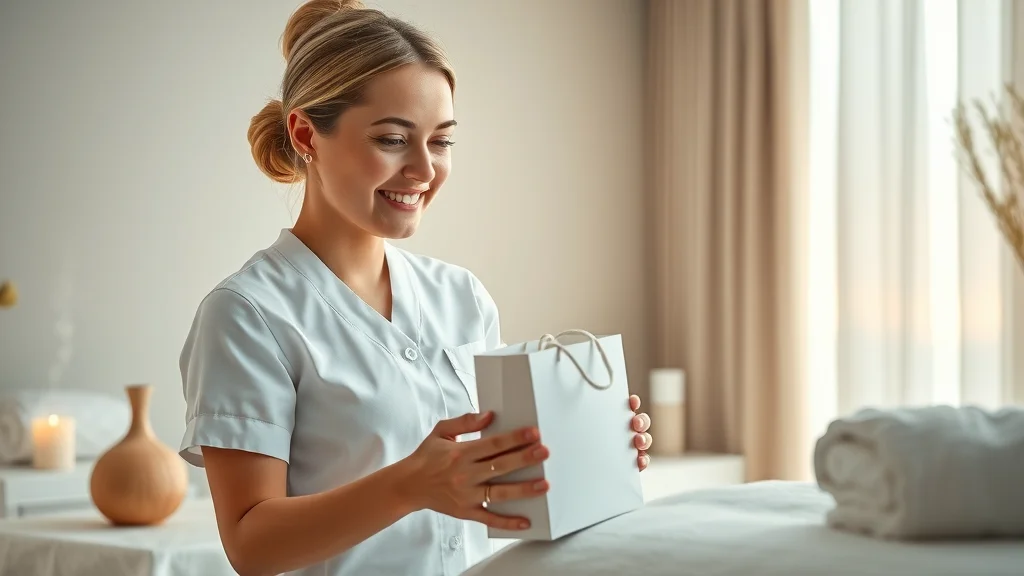
A good spa email after a treatment is just a check-in about something your client shared at intake: “Are you still feeling that knot by your right shoulder?” or “Did the eucalyptus steam help your sinuses a bit?” That’s it
Connection, Not Data Collection: How the Best Med Spa and Spa Emails Make Clients Feel Actually Seen
Ask about their shoulder tension, if you remember they talked about it
Mention the therapist they saw—don’t use "your recent visit" language
A little cue—like referencing the last appointment book slot they had, or the therapist’s name—signals that the client relationship is more important than hitting targets on an email list. If you remember to check in, and you do it quietly, the next booking comes without a nudge.
3. Last-Minute Openings: Spa Customer Engagement Emails With Client Retention in Mind
Reducing No-Shows Without Damaging Client Relationships
"Last-minute doesn’t mean desperate. The repeat guest who bites on a Wednesday 4pm opening is doing you a favor as much as you’re doing them one."

You don’t blast out last-minute offers to everyone. That’s how you lose regulars and invite “deal seekers.” When there’s a cancellation, most spa email strategies work better when you send a personal note to the people who have a track record of picking up odd time slots without hassle.
“Hey, had something at 4pm pop up last minute, know it’s short notice—figured it was your favorite hour if you’re around.” That’s not an email marketing strategy, it’s maintenance on a real client relationship.
You’re not trying to fill an empty calendar slot at all costs; you’re giving your best clients first shot because you want bookings and build a little brand loyalty in the process.
Nobody feels spammed, and in return, regulars get a sense that they’re on a short list. The no-show rate drops and the open rates on these targeted last-minute spa emails can rival your best email campaigns—all without risking the bottom line.
4. Targeted Special Offer Spa Emails That Don’t Look Like Promotional Email Blasts
Blanket promotional email blasts don’t land—no matter how many split tests your software runs. If someone’s never booked a facial and you hit them with a mask upgrade, it feels off; send it to your facial regulars before the summer humidity sets in and it feels insightful.
If your med spa regular gets an IV therapy special offer right after mentioning travel plans, that’s how you cut through the noise.
Operational Reality: Why Most Email Campaigns Get Ignored
Send a facial mask offer to people who’ve had facials, not to massage regulars
Reference the time of year—July humidity, not "this season"
The kind of client who opens these spa emails and books is the one who feels seen as an individual, not a line on your email list. The operational reality in salons and spas is that one-size-fits-all promotions land in the promotions folder and never return.
5. How Med Spa Newsletters Build Client Relationships Without Feeling Like Marketing Strategy
The most valuable newsletters don’t trumpet the latest special offer or try to trick you with an urgent subject line. Instead, they’ll have a photo from the last time the team went for lunch together, or a quick blurb about the new steam shower you finally installed after that “month-long” backorder.
The Client Retention Value of a Human, Unpolished Spa Email
Share one tech upgrade or team story—no sales pitch needed
Include a tiny apology for that time you had to cancel their appointment
Client retention grows from these little moments that say “yes, we remember you.” It’s messy, human, sometimes a little awkward. No one unsubscribes when a med spa newsletter feels like a note from an actual person instead of a pixel-perfect email marketing push.
6. Referral Reward Spa Customer Engagement Emails: Keeping the Chain of Trust Alive
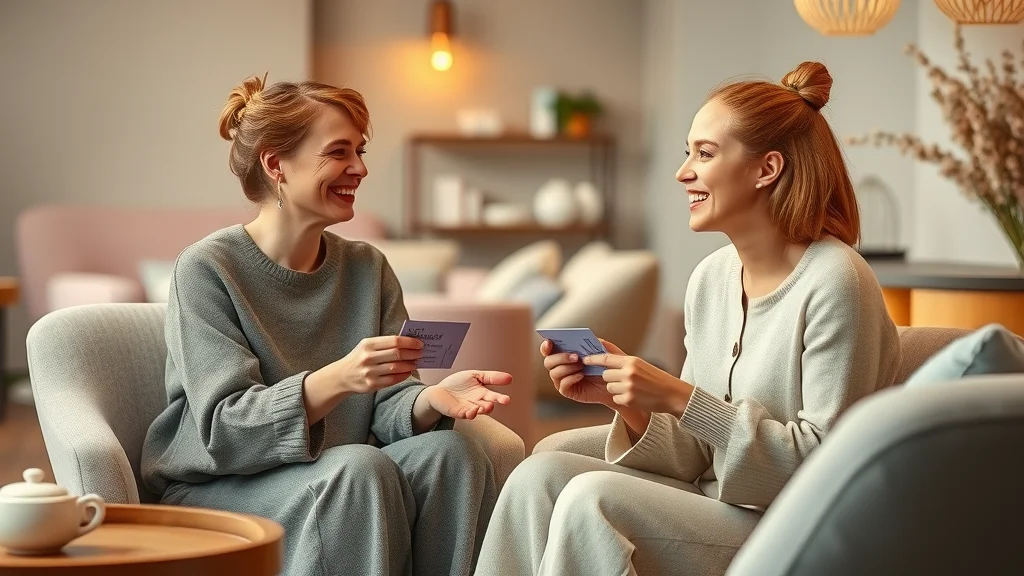
Only spas that have seen it from behind the desk remember to send referral thank-yous right away, not as part of a quarterly marketing strategy.
The reason: referrals are how salons and spas thrive—and when someone’s friend walks in and says “my neighbor told me,” you have about 24 hours before that thank you fades from memory.
The right salon or spa email for a referral isn’t transactional. They never say “Bring a Friend, Get $10!” in the subject line. They say, “Saw you sent Becky, so good to meet her—coffee is on us when you come next.”
It says “we noticed”; it doesn’t shout “promotion.” The trust these recommendations build is subtle, but it’s what keeps the client chain going without feeling like another loyalty program trap.
7. Service Reminder and 'We Noticed' Spa Emails: Top of Mind Without Overdoing It

Examples of Service Reminder Emails That Don’t Annoy
Name the actual date of their last service, don’t just say 'it’s time soon'
Reference their preferred service provider or room if possible
Clients don’t want “It’s almost time!” They have enough reminders. They appreciate hearing, “You were in on June 6 with Maggie in Room 4, figured you might want to line up your usual slot again.”
These top of mind spa emails are about recognition, not manipulation. They aren’t sent to nudge loyalty—they land because you actually want to see regulars before they’re overdue. If it feels like you’re parsing the appointment book with care, people respond in kind.
8. Spa Customer Engagement Email List Hygiene: It’s About Respect, Not Size
Why Pruning Your Spa Email List Improves Open Rate and Engagement Campaigns
Let people go gracefully—don’t chase unsubscribers
Re-engagement campaigns work better when they’re honest ('Do you even want to hear from us?')
Here’s the real deal: chasing every possible contact on your email list for “brand awareness” is a fast path to low open rates and disengagement. The size of your email list has zero bearing on the health of your spa if only a quarter of them read your spa email.
A sharp, clean list—one where everyone actually knows who you are—is worth five times the list built from raffle entries.
When you send a “we can take you off if we’re noisy” note, you earn trust, and more often than not, the remaining list becomes your best pool for engagement campaigns.
9. Crisis and Operational Mess: Spa Customer Engagement Emails in the Real World
When Your Closest Staffer Calls Out – How the Right Email Prevents a Small Disaster
Clients appreciate a heads-up more than they care about a comp
Naming the disruption builds trust, even if it’s awkward
No spa makes it a month without a therapist taking sudden leave or a pipe bursting by the entryway. When that happens, the email doesn’t dance around the issue: just name it—“We’re unexpectedly short-staffed today, and your facial with Tiffany will need to move.”
Nine times out of ten, clients don’t want a 15% off—they want to know you won’t pretend nothing’s wrong. It builds more long-term loyalty than any marketing strategy you could buy.
10. Handwritten-In-Spirit: The Unmistakably Human Promotional Email

The most effective spa emails have a note’s unevenness: a typo, a line about supplies being back in stock, a stray “P.S.” about the weather.
Clients feel the difference. The “handwritten in spirit” message cuts through the noise of overly perfect promotional email templates—mostly because nobody actually believes the “Dear Valued Client” opener was written by a real person.
Sometimes, the only reason someone rebooks is the memory of an apologetic (or slightly chaotic) email, not the “$25 off” coupon.
How Spa Customer Engagement Emails Actually Affect Open Rate (Anecdotes vs. ‘Best Practices’)
Email Tactic |
Typical Open Rate |
When It Peaks |
|---|---|---|
Birthday Note |
40%+ |
If it refers to prior chats |
Last-Minute Slot |
20-35% |
For long-term guests |
It’s not about blasting weekly newsletters or fiddling incessantly with the subject line. The best open rates come from emails that are genuinely human: birthday emails that reference something particular, a last-minute slot only the regulars really want, or a check-in after a tough week.
Sometimes you need to hear it from someone who has actually juggled the front desk and therapist schedules. Video profile: spa owners crosstalking about what emails get responses—and the ones their own staff ignore.
A window into the actual workflow: drafting notes around appointments, managing replies from clients who respond at lunch, and how operational headaches shape which emails get written at all.
People Also Ask: Spa Customer Engagement Emails FAQ
How do spa customer engagement emails increase client retention?
By making guests feel remembered (not just marketed to).
Clients notice quiet, specific reminders and check-ins after services far more than any generalized promotional campaign.
The client retention value is in the detail—a personalized email about a service they booked last month lands better than any automated campaign.
What types of spa emails have the highest open rate?
Birthday and personalized check-in emails see the most engagement.
Last-minute availability offers for regulars also perform well when they’re not obviously mass sent.
It’s predictable: non-template spa emails with a specific hook (like a birthday or real last-minute slot) get opened. Email marketing platforms can help, but only when used to reinforce human relationships, not broadcast ads.
How often should a spa send promotional emails?
Not more than guests expect. Once a month is plenty for most.
Footnotes—like apologies when you run late—matter more than frequency.
Nobody unsubscribes from a rare, relevant note. They do from too many “buy now!” pushes. Keeping emails sparse and honest builds more trust with your existing client list.
Key Takeaways: What Actually Matters in Spa Customer Engagement Emails
People ignore emails that feel like ‘email marketing’.
Mentioning a real moment from a past visit lands better than ‘dear valued guest’.
Size of your email list matters less than the pulse of your regulars.
FAQs: Spa Customer Engagement Emails
What’s one thing to never do in a spa email? – Don’t fake personalization (guests notice when it’s a mail merge).
Do spa customer engagement emails work for salons and spas equally? – Smaller shops, tighter regulars… emails land stronger.
If any part of this feels relevant but unclear, you don’t have to sort it out alone. If a quick conversation would help you make sense of what applies to your spa—and what doesn’t—I’m happy to talk it through.
Genuine connection always trumps the perfect subject line. If you read this and feel a detail rings true, trust it—the best spa customer engagement emails sound like you.



Write A Comment