 Add Row
  Add
Add 


You can stop losing clients by mastering spa reputation management and making your online presence as strong as your in-spa experience. When clients see consistent reviews, responsive communication, and clear proof of quality, they feel confident choosing your spa. This matters because most guests decide where to book based on trust—and trust starts with what they see online.

"Your brand is a story unfolding across all customer touchpoints." Master spa reputation management to ensure every client interaction builds loyalty, keeps patrons returning, and stops losses. Discover how managing your spa's reputation can transform your business today.
Ever feel a single bad review or awkward social media comment could undo all your hard work? You’re not alone. In today’s search-first world, spa reputation management isn’t a nice-to-have—it’s a must. The good news?
With just a few easy steps, you can not only protect your spa’s good name—but turn guest feedback into your most powerful marketing tool.
Our guide breaks it all down with warmth, clarity, and empathy—so you’ll walk away ready to boost client trust, drive more bookings, and keep happy clients coming back for more.
What You’ll Learn About Spa Reputation Management
What spa reputation management means and why it matters for your med spa or wellness business
How your online reputation directly impacts bookings and guest loyalty
Step-by-step ways to handle online reviews, social media feedback, and more
Easy-to-follow reputation management strategies for busy spa owners
Simple scripts and real-world examples you can use immediately
Understanding Spa Reputation Management: What It Is & Why It Matters
Defining Spa Reputation Management in Plain Language
Spa reputation management means actively shaping the way your business is seen—both online and in-person. Think of it as keeping your spa’s “public face” polished and trustworthy.
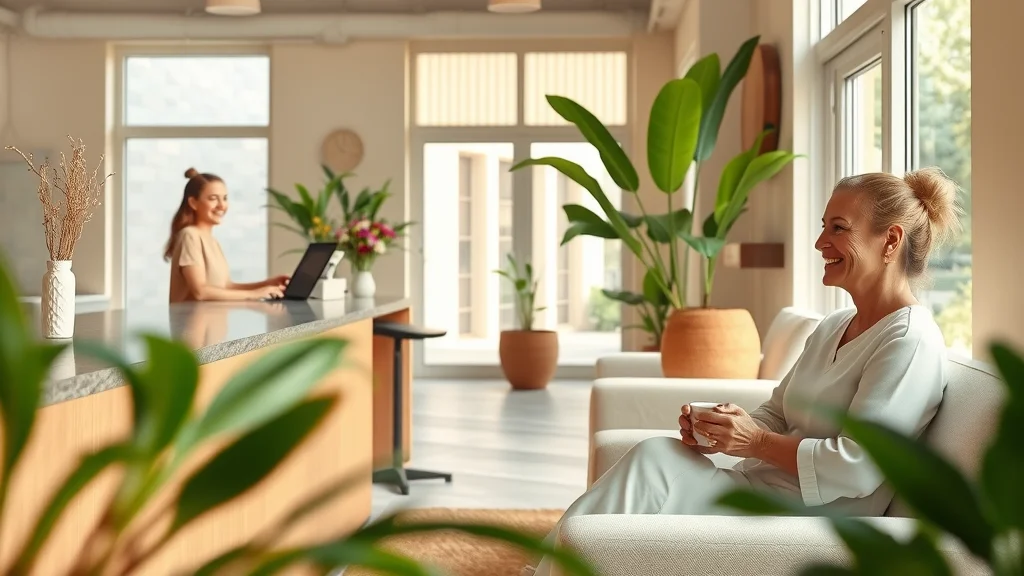
This isn’t just about chasing positive online reviews or fighting the odd bad review; it’s about ensuring every client touchpoint—front desk greetings, the ambiance in your lounge, follow-up texts after treatments, your social media replies—reflects your spa’s care and values.
In a world where potential clients Google before they call, your online reputation is your business card, first impression, and word-of-mouth— all at once. Without oversight, a few negative reviews or unchecked online complaints can overshadow years of good work.
But with simple daily actions, you can create a reputation that turns first-timers into loyal patrons, wins trust in your community, and keeps your med spa growing—no marketing degree needed.
For spa and wellness professionals, reputation management isn’t about perfection. It’s about being present: addressing guest feedback honestly, celebrating glowing reviews, and showing care when things fall short.
Every thoughtful reply, every request for guest feedback, every snap of your calming lobby shared on social media, builds up your “trust account” with both current and potential customers.
When you actively manage your reputation, you control your story—instead of letting algorithms, old complaints, or occasional negative experiences decide for you.
How Reputation Management Affects Your Med Spa, Bookings, and Guest Trust
The med spa world is competitive. Guests looking for their next facial, massage, or wellness treatment start online.
Whether by typing your name into a search engine or scrolling through social media, the first thing they notice is your online reputation—that is, what others are saying about you in online reviews, ratings, and comments.
Studies show that most potential clients will read multiple reviews before making a booking. A strong presence—lots of recent, positive reviews, and visible, polite responses—creates social proof and builds confidence.
When a potential client sees consistent four- and five-star feedback, quick replies to questions or concerns, and a friendly tone even in tough situations, they’re far more likely to book and become repeat guests.
On the flip side, ignoring a bad review or letting negative reviews pile up can scare off not just one, but dozens of future clients. Even a single negative review isn’t the end of the world—it’s how you respond that counts.
A thoughtful reply shows that client experience actually matters to you. The trust you build by showing up, listening, and improving over time is the foundation of a community where happy clients become your most effective advocates.
Spa reputation management is the gentle, daily work that keeps bookings coming, even during slow seasons.
As you refine your approach to online reviews and client feedback, consider how your responses can do more than just resolve issues—they can actually drive new business.

Online Reputation vs. Traditional Word-of-Mouth for Med Spas
It’s easy to romanticize the power of traditional referrals—neighbors telling friends about your heavenly hot stone massages or a regular posting about your treatments on their Facebook page.
But today, online reputation does the heavy lifting, replacing (and amplifying) word-of-mouth on a scale you can’t match with a phone number alone. Online presence means you’re “open” and being judged 24/7—whether a potential client is on Google, Yelp, Instagram, or simply scanning your website.
Unlike casual conversations, online reviews stick around, appearing in search results and shaping perceptions for months or years. This can be stressful—but it’s also empowering.
Now, every positive client experience contributes to a record of trust anyone can see. You can guide the conversation with regular review requests, quick replies, and smart review management.
In short: think of your online reputation management as modern word-of-mouth—only visible, permanent, and scalable.
The best news?
With today’s tools, even a small spa can look as polished and reputable as the big brands. Simple, regular efforts—like thanking clients for glowing reviews, showcasing client feedback, and addressing even small complaints with care—fuel a virtuous cycle: more happy clients, more positive reviews, higher trust, and greater online visibility.
Start building your story where your guests are already looking.
Core Elements of Spa Reputation Management
Online Review Management: Harnessing Positive Feedback & Handling Bad Reviews
Online review management is both art and science for spa owners. It starts with encouraging every happy client to leave a review right after their appointment—while their great experience is fresh. The more positive reviews your med spa accumulates, the stronger your online reputation becomes.
But it’s not just a numbers game; quality matters too. Replying to both glowing reviews and the rare bad review with honesty and care shows future guests your business values feedback.
A helpful, professional reply to a negative review can actually turn a critic into a loyal patron—and reassure potential customers you’re invested in client experience.
It’s equally crucial to be consistent.
Check review platforms—like Google My Business and Yelp—daily or weekly, and respond within 24–48 hours. For tough feedback, never argue online.
Instead, thank the guest, address their concern, and offer to resolve things privately if needed. This gentle, proactive approach turns reputation challenges into golden opportunities for growth.
Think of review management as housekeeping for your spa’s online image. Regularly “sweeping up” by answering, thanking, and learning from both positive and negative comments means your spa feels approachable, trustworthy, and engaged.
And the more you normalize this process, the less scary or overwhelming it feels. Over time, these little efforts add up—making your spa the obvious, safe choice when someone is ready to book.
The Role of Social Media in Modern Spa Reputation Management
Social media is where your spa’s personality and care culture shine. Every post, comment, and DM is a living part of your online reputation.
Instagram photos, Facebook replies, and even quick story updates show what it feels like to be part of your community. Spa guests often “window shop” on social media before deciding where to book.
They’ll judge your vibe by your response speed, comment tone, and the way you handle questions—or even the rare, visible negative review. Consistency is the key.
Every week, share a mix of behind-the-scenes shots, team highlights, service features, and—most importantly—real client testimonials or “thank you” shares (with permission, of course).
If someone leaves a kind comment or tags your spa, reply or re-share promptly to build trust and encourage more positive feedback.
Don’t fear criticism on social media. It happens to every business. Use it as a chance to show your problem-solving skills and care—always with empathy.
Done right, social media boosts your reach, amplifies happy client stories, and makes reputation management feel approachable, not daunting.
Bottom line: social media is “word-of-mouth for the digital age.” When you show up consistently, reply warmly, and spotlight client experience, your spa’s online presence becomes irresistible to both regulars and newcomers.
Customer Feedback: Creating a Continuous Improvement Cycle
Customer feedback is more than online reviews—it’s every suggestion, comment, or direct message you receive from guests. By seeking and openly listening to this feedback, you create a loop of steady, incremental improvement that sets your spa apart.
Encourage honest input at every touchpoint: after treatments, via email, on your website, or during check-out. Use short, friendly surveys and digital forms to make the process easy. The more comfortable guests feel sharing their experiences, the more insight you’ll gain into where your spa excels—and where small tweaks could lead to rave reviews.
What matters is not just collecting feedback, but acting on it. Regularly review comments and look for patterns (e.g., if guests point out a chilly waiting room or a confusing booking process).
Fixing even small issues and letting clients know you’ve made changes based on their suggestions builds deep trust and loyalty over time. This is how a spa’s reputation management strategy becomes a living, breathing part of your growth plan.
Remember: improvement is not a one-time project—it’s an ongoing journey. The best spa businesses invite their clients to become part of the story, showing that every piece of customer feedback, positive or negative, is valued and shapes tomorrow’s client experience.

Building a Consistent Online Presence for Med Spas
A consistent online presence means your business looks, sounds, and feels the same—everywhere guests might encounter your brand.
This extends from your Google listing and website to social media, review platforms, and even directory profiles. Why does this matter for spa reputation management?
Inconsistent information—like mismatched hours, outdated photos, or missing services—can confuse potential clients and hurt your credibility in search results. It also slows down bookings and erodes the seamless experience guests crave.
Start by reviewing your business name, address, phone number, hours, and website across all platforms. Make sure every listing uses the same details and clear branding—matching colors, logo, and tone.
Update your profiles with fresh images and accurate descriptions regularly, especially when you roll out new treatments or seasonal specials. Beyond just information, a cohesive online presence signals you care about every client touchpoint.
It shows potential clients that your spa is organized, present, and attentive—exactly the traits that translate into great spa experiences and loyal, returning guests.
The payoff is huge: Google and other search engines reward accuracy and fresh content by ranking you higher in search results, making it easier for guests to discover and choose you. Your online reputation becomes an asset that works for you 24/7.

How to Build an Effective Spa Reputation Management Strategy
Assess your current online reputation
Set up alerts for online reviews and mentions
Develop polite, professional response templates
Create a plan for encouraging happy clients to leave online reviews
Monitor and improve your social media interactions
Ensure your med spa’s branding is consistent everywhere online
Choosing the Right Review Management Tools and Platforms
Picking the right toolkit can take your spa reputation management from reactive to proactive—without demanding all your time. Many med spa owners prefer all-in-one tools that pull in reviews from Google, Yelp, and more, letting you reply quickly and track trends all in one dashboard.
Platforms like Reputation.com and Birdeye help automate review requests, send alerts for new feedback, and analyze what guests are really saying about your spa. For smaller or cost-conscious businesses, starting with Google My Business and Yelp Business provides essential visibility with no extra cost.
As you grow, look for features like SMS/email invites for clients to leave reviews, scheduled monitoring, and robust analytics.
Choose tools that save you time, support your style, and integrate with your daily workflow. The right choice will help you manage every online review and social mention, so you never miss a chance to improve—or celebrate a glowing review.
Remember, management tools are just that—tools. Consistency, empathy, and a willingness to learn from feedback are what really power your reputation management strategy. Take one step at a time, and upgrade your tech as your needs grow.

Step-by-Step Guide: Responding to Online Reviews (Templates Included)
Responding to online reviews—the right way—shows both clients and future guests that you value feedback, no matter if it’s positive or points out room for improvement. Here’s a simple step-by-step plan any busy spa owner can follow:
Monitor daily—use your chosen review management tool (or simply check Google/Yelp manually).
Thank every reviewer—start with a warm thank you, even for a bad review.
Address the details—mention something specific from their review to show you’ve read it.
Invite further conversation (if needed)—for negative reviews, offer a direct way to reach you for a deeper conversation.
For a glowing review: "Thank you so much for your kind words, [Name]! We’re thrilled you enjoyed your massage and our tranquil lounge. Your feedback means the world to our team—we can’t wait to welcome you again soon."
For a negative review: "Thank you for sharing your experience, [Name]. We’re sorry we didn’t meet your expectations this time, and we appreciate the chance to learn. Please reach out to us directly at [phone/email] so we can resolve this together."
Use these templates as a base, but tweak them to match your spa’s unique voice and values. Remember, the most important ingredient is empathy: every reply should make the reviewer (and anyone reading) know you care.
Table: Comparing Top Spa Online Reputation Management Tools
Tool Name |
Best For |
Notable Features |
Pricing |
|---|---|---|---|
Reputation.com |
All-in-one spa review management |
Central dashboard, alert system |
Varies |
Birdeye |
Automated review requests |
SMS/email invites, analytics |
Starts at $299/mo |
Google My Business |
Direct Google visibility |
Public Q&A, free review feed |
Free |
Yelp Business |
Local search and reviews |
Ad options, verified badges |
Free/paid |
Real-Life Examples: Spa Reputation Management in Action
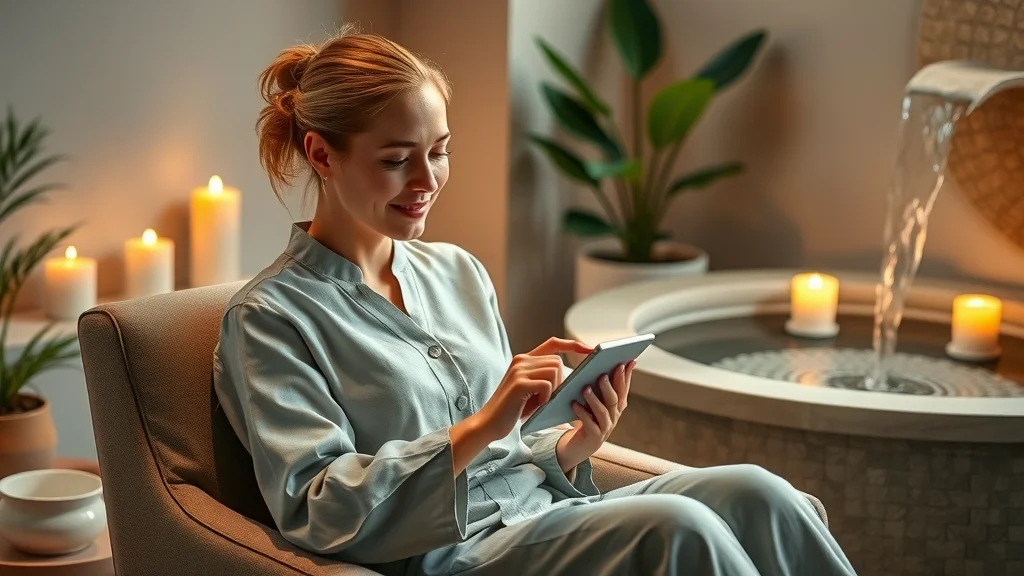
"A single bad review doesn’t define you. Honest, kind replies help build trust—and can even turn a negative into a positive experience."
How a med spa turned a tough review into a loyal guest: When a guest complained about a delayed appointment, the spa manager responded publicly within an hour, apologized sincerely, and offered a complimentary facial. The guest updated their review to a four-star and now recommends the spa to friends.
Scripts for asking clients to leave positive online reviews: "If you enjoyed your treatment, we’d be grateful if you could leave a review online—it helps us keep improving and supports our amazing team."
Sample responses to both glowing and critical online feedback:
– "We’re so glad you loved your facial, [Name]! Your happiness is our top priority."
– "Thank you for your feedback, [Name]. We hear your concerns and want to make things right—please contact us directly."
[A concise, visually engaging video summarizing essential spa reputation management strategies: key concepts illustrated with animated graphics, on-screen real-world med spa scenarios, and text overlays for quick takeaways (voiceover optional, 90 seconds max, upbeat background music, clean modern style)]
Pro Tips: Encourage Clients to Leave Online Reviews—Without Feeling Pushy
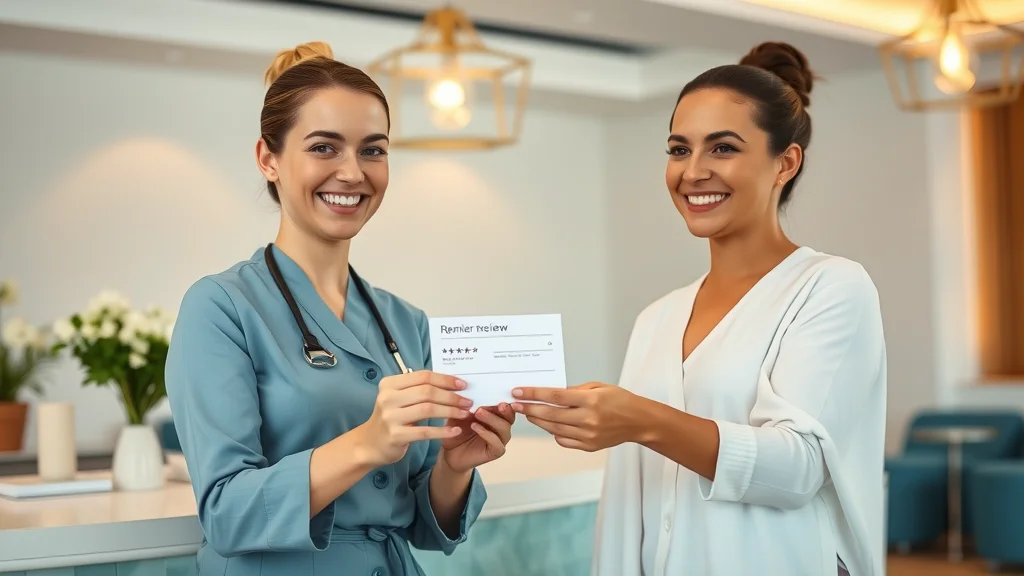
Ask at the right moment—immediately after a great experience
Use simple, friendly language
Offer a reminder card or follow-up text with direct links
Explain why their feedback matters for your spa
You want happy clients to leave a review, but asking can feel awkward. The secret is timing and tone—wait until the guest is visibly satisfied, then use a genuine, no-pressure request.
A simple "Your feedback helps us grow—would you consider sharing your experience online?" feels natural.
Follow up with a text or email containing direct review links to make the process effortless, and always explain how much their words help your team and future guests. With kindness and clarity, most clients are glad to help.
How to Handle a Bad Review with Empathy and Professionalism
Sample Response Scripts for Bad Reviews

No one enjoys seeing a bad review online. But every spa—big or small—will face one at some point. What matters most is how you handle it. Quick, genuine replies can calm tensions and even win back a disappointed guest. Here are sample response scripts:
“When we fall short, it never sits right with us. Thank you, [Name], for bringing this to our attention—we’d love to connect directly to make things right. Please reach out to us at [phone number/email].”
“We're sorry your experience didn’t meet expectations. We’re listening and always aim to improve. We’d appreciate another chance—contact us so we can learn more and resolve any concerns.”
Keep every response polite, avoid blaming, and invite guests to discuss issues privately if the complaint involves sensitive details or personal information.
Remember, thoughtful replies aren’t just for the reviewer—they show potential clients reading later that your spa takes responsibility and strives for excellence.
When (and When Not) to Take Conversation Offline
While it’s smart to reply publicly to every review (so future guests see you care), sometimes continuing the conversation offline is best. Move the discussion to phone, email, or a direct message when:
The guest shares personal or health details
The feedback is highly emotional or complex
You want to offer private compensation or a resolution
never ignore
Metrics That Matter: Tracking Success in Your Spa Reputation Management
Average star rating
Review response time
Monthly number of new reviews
Social media engagement levels
You can’t improve what you don’t measure. Track your average star rating, set alerts for how quickly you respond to reviews (review response time), and aim to grow your monthly review count. Watch social media engagement—replies, comments, story shares—so you’ll sense what content resonates. Use these metrics to celebrate progress and spot easy wins. Regular check-ins help you tweak your reputation management strategy for even better results.

FAQs on Spa Reputation Management
How much does a reputation manager cost?
Many reputation management companies charge between $200 and $2,000+ per month, depending on your spa’s needs and the services included.
Some reputation tools, like Google My Business, are free, while others offer do-it-yourself plans you can start with as your business grows.
What are the six pillars of reputation?
The six pillars that often shape your spa’s reputation are trust, social responsibility, product/service quality, leadership, innovation, and workplace environment.
Strengthening each of these helps your business earn and keep a great online reputation.
What is the best reputation management company?
There’s no single “best” company for everyone. Top-rated choices for med spas include Reputation.com, Birdeye, and digital agencies specializing in the wellness sector. Consider your budget, needs, and company fit.
What is the difference between PR and ORM?
PR (Public Relations) is about shaping stories in the press and traditional media. ORM (Online Reputation Management) focuses on handling client feedback and finding ways to improve your reviews and online presence. Both matter—and together, they help your spa shine.
Key Takeaways for Spa Reputation Management
Online reviews, social media, and client feedback all shape your med spa’s reputation
Simple, consistent actions—like responding to reviews—create trust and loyalty
Every spa, big or small, can manage reputation with the right tools and strategies
Feeling Overwhelmed? Let’s Simplify Your Spa Reputation Management Together
If you’d like a second set of eyes on your reputation strategy, we’re always available. You don’t have to manage everything on your own — our team is here to help.
If you’re ready to take your spa’s reputation to the next level, consider how a holistic marketing approach can amplify your results.
Reputation management is just one piece of a thriving spa business—integrating it with content strategy, digital advertising, and community engagement can unlock even greater growth.
For a comprehensive blueprint on elevating your spa’s marketing and building a loyal client base, don’t miss this ultimate guide to spa marketing in 2026. Discover advanced tactics, future-proof strategies, and actionable insights to help your spa stand out in a competitive market.
Start today: Reputation management for your spa is simpler than you think, and every step you take brings you closer to a loyal, growing guest community.




Write A Comment