Add Row
Add Element
cropper
update

[Company Name]

update
Add Element
  • Homepage
  • Subscribe
  • Contact Us
  • Media
  • Blog
  • Next-Gen Marketing
  • Spa Marketing & Business Growth
  • All Posts
  • Reputation Marketing
  • Social Media Marketing
  • Website Retargeting
  • Website Design
  • Sales Funnels
  • Brand Voice
  • Market Opposition Research
  • Content Marketing
  • Digital Marketing
  • Local SEO & Search Visibility
  • Next-Gen Marketing
  • Spa Marketing & Business Growth
November 25.2025
15 Minutes Read

The Ultimate Guide to Spa Marketing in 2026: A Blueprint for Owners

Struggling to attract new clients in a competitive spa industry? What if proven spa marketing strategies could transform your business in 2026? Discover how to boost visibility, engage customers, and grow your spa effortlessly with this essential blueprint tailored just for owners.

Spa Marketing Strategies: Unlocking Success in the 2026 Spa Industry

If you’re leading a spa or med spa in 2026, you know the landscape is more competitive and dynamic than ever.

The right spa marketing strategies are no longer a luxury—they’re essential. Innovative marketing ideas and a well-crafted marketing strategy can help you attract new clients, enhance your online presence, increase bookings, and build a loyal guest community.

This guide offers a practical, step-by-step approach, merging the best of digital marketing, personal guest experience, and modern wellness trends.

Whether you run a boutique day spa, a med spa, or a full-service wellness center, these spa marketing strategies will empower you to thrive, not just survive, in the fast-evolving spa industry.

You’ll uncover the latest tips and techniques, learn how to personalize your spa services, and see how to create campaigns that feel authentic and reduce overwhelm. Our goal?

Help spa owners, managers, and directors like you grow revenue and build a resilient business—without burning out. Let’s get started on your blueprint for success!

What You'll Learn

  • How spa marketing strategies can boost visibility and attract new clients

  • The latest marketing ideas shaping the future spa market

  • Proven digital marketing approaches for med spa and traditional spa owners

  • Ways to personalize and elevate the spa guest experience

  • How to build a spa marketing campaign that reduces overwhelm and increases results

Inviting modern spa entrance with a welcoming spa receptionist greeting a diverse guest, photorealistic contemporary spa lobby with lush plants and soft wood paneling

Understanding the Current Spa Market: Trends and Opportunities in 2026

The Evolution of Spa Services and Spa Industry Trends

As we move into 2026, the spa industry has seen dramatic change. Med spa services have grown rapidly, blending medical wellness, advanced aesthetics, and traditional relaxation.

Consumers now crave holistic experiences: services that deliver visible results and nurture long-term wellbeing. Spa marketing strategies must reflect this shift.

Post-pandemic, people expect flexible, safe, and personalized offerings—driving innovation in memberships, self-care packages, and at-home spa kits.

It’s also a time for fresh marketing ideas: from digital experiences and online booking tools, to wellness challenges and virtual consultations.

To stay relevant and attract new clients, spa owners are embracing hybrid models, tech-enabled personalization, and content-rich marketing campaigns. The focus is on blending high-touch personal care with high-tech convenience.

Understanding these trends can help you position your spa as the go-to destination in your community.

  • Growth of med spa offerings

  • Changing consumer preferences for wellness

  • Post-pandemic shifts in spa marketing strategies

Key Demographics and Target Audience for Spa Marketing Strategies

A successful marketing strategy starts with understanding your target audience. In 2026, spa goers are more diverse than ever—ranging from Gen Z and Millennials seeking quick results, to Boomers and Gen X prioritizing relaxation, wellness, and anti-aging spa services.

Med spa clients often look for advanced treatments, while traditional spa enthusiasts value comfort and a sense of escape. Spa marketing strategies should recognize these unique needs and behaviors.

Data-driven targeting—using guest feedback, social media insights, and booking data—enables you to personalize offers and connect with potential clients at every stage.

Highlight client stories and tailor experiences based on age, lifestyle, and wellness goals.

And don’t overlook the importance of accessibility: making your spa and marketing messages inclusive will help you grow your share of a rapidly evolving spa market.

Diverse group of spa clients in plush robes, relaxing together in a spa lounge with greenery and sunlight, engaging naturally

New Competitors and Innovations in the Spa Market

As the spa market grows, innovative competitors are emerging. Boutique med spas, mobile service providers, wellness apps, and even fitness studios are expanding into spa services.

To stand out, your spa marketing strategy needs to emphasize what makes your business different—whether it’s specialized treatments, unique amenities, or a standout guest experience.

Innovations such as wellness subscriptions, tech-powered consultations, and AI-driven booking are raising the bar.

Stay ahead by regularly reviewing your offerings and marketing efforts. Find inspiration from competitors, but double down on your spa’s strengths.

Creativity, authenticity, and building strong community connections will be key to thriving in an evolving spa industry. As one expert says:

“The spa market is evolving faster than ever before. Smart spa marketing strategies are essential for any owner who wants to stand out in 2026.” — Spa Industry Expert

Core Components of Effective Spa Marketing Strategies

The 5 P’s of Spa Marketing Strategy for Owners

Mastering the 5 P’s of spa marketing strategy helps you cover every aspect of your business and client journey. Here’s how each P impacts your spa’s growth in 2026:

  • Product: Your unique menu of spa services and experiences—what sets your spa apart?

  • Price: Offering competitive, value-driven pricing structures, including packages and memberships.

  • Place: Leveraging your spa’s location and tapping into local business opportunities and partnerships.

  • Promotion: Implementing diverse marketing ideas—from digital ads to in-spa events—to reach new clients.

  • People: Focusing on staff training, collaboration, and delivering an exceptional guest experience.

Getting these ingredients right makes your spa marketing strategies much more likely to succeed, boost brand awareness, and build client loyalty. Don’t be afraid to review these regularly, as market needs change quickly.

Creative spa product display with a professional arranging signature products in a serene, well-organized spa retail section

The 4 Most Powerful Spa Marketing Strategies Explored

While the spa industry evolves, a few spa marketing strategies have proven themselves essential for growth and resilience:

  • Digital marketing transformation: Website optimization, local SEO, and email marketing to generate leads and bookings.

  • Community-focused approaches: Partner with local businesses and host events to strengthen ties and reach a broader local audience.

  • Social media and video marketing campaigns: Use Instagram, Facebook, TikTok, and emerging platforms to tell your spa’s story, showing real moments and real results.

  • Personalized guest loyalty programs: Surprise and delight guests with membership perks, tailored offers, and exclusive rewards.

Integrating even one or two of these strategies into your marketing campaign can yield measurable results, helping you attract new clients and strengthen your reputation in the spa market.

Building Your Spa Marketing Plan: Step-by-Step Guide

Setting Spa Marketing Goals for Growth and Revenue

Setting realistic goals keeps your spa marketing strategies focused and intentional. Reflect on what matters most to your business: more bookings, higher average spend, stronger guest loyalty, or expanding into new markets.

Use SMART goals—specific, measurable, achievable, relevant, and time-bound—to guide your marketing campaign.

For example, aim to increase online bookings by 20% over six months or drive 50 new reviews per quarter.

Break bigger goals into smaller, actionable steps. Review industry benchmarks, analyze what’s worked in your spa, and track progress each month.

Align your goals with your unique services and brand vision—this makes achieving them inspiring rather than overwhelming.

Spa owner reviewing a marketing plan at a tidy desk with spa decor, thoughtful expression, crisp detail, pastel color scheme

Identifying Your Spa’s Target Audience and Unique Value

Who is your ideal spa guest? Build detailed profiles of your core customers using booking data, interactions, and online reviews.

What are their most pressing needs—stress relief, anti-aging, wellness routines, or skin transformation?

Recognize what sets your spa apart, such as unique treatments, a leading med spa practitioner, eco-friendly products, or outstanding hospitality.

This clarity will help you craft personalized spa marketing strategies that speak directly to your audience, whether through social media, email marketing, or in-spa promotions.

The stronger your brand message and value proposition, the easier it is to attract new clients and keep them coming back.

Choosing the Right Spa Marketing Strategies for Your Brand

The spa marketing world is filled with powerful tools and trends, but not every idea fits every spa.

Assess your resources, your team’s strengths, and your guests’ preferences. Would your audience respond best to video marketing, themed events, referral programs, or digital ads?

Choose 2–3 marketing strategies to focus on each quarter and experiment thoughtfully.

Measure what works and pivot as you learn. Trust is built with consistent, aligned marketing ideas that truly reflect your business. As highlighted by a spa industry veteran:

“Choose a marketing campaign that feels true to your spa’s identity — not just what’s trending. Authenticity builds trust.”


Sample Spa Marketing Plan: 2026 Strategic Overview

Objective

Action Steps

KPIs

Boost Online Bookings

Website optimization, Local SEO, Paid ads

+25% online reservations

Increase Local Awareness

Partner with local businesses, Host open houses

5 partnerships, 2 events/quarter

Strengthen Guest Loyalty

Loyalty program, Personalized email campaigns

40% repeat visits


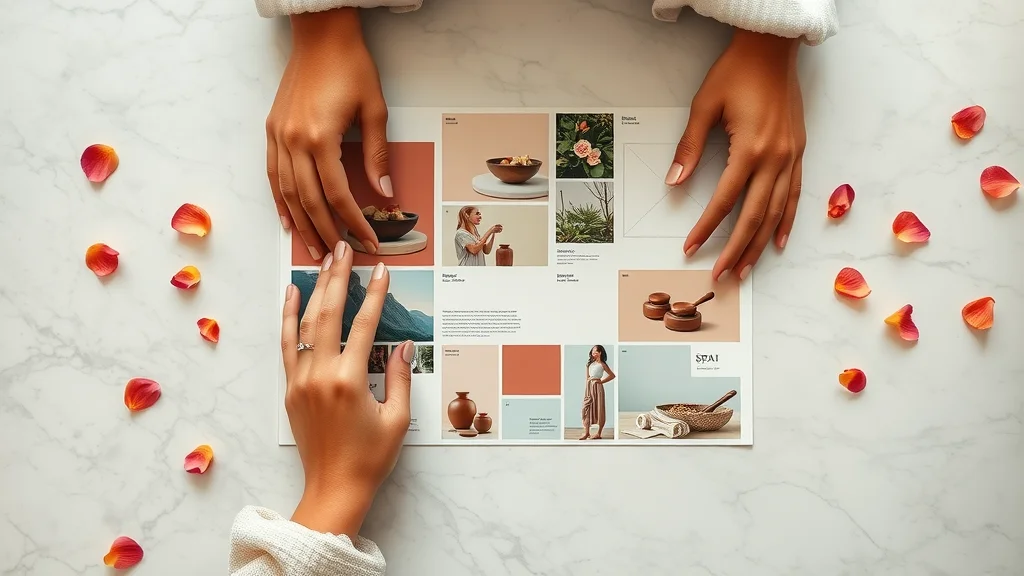
Inspirational spa branding board with hands arranging color swatches and spa photos for a marketing campaign

Enhancing Your Spa’s Online Presence: Digital Marketing Strategies That Work

Website Optimization for Spa Marketing Success

Your website is your digital front door. Optimizing it is one of the most powerful spa marketing strategies for attracting new clients and turning browsers into bookings.

Ensure your site features clear, easy-to-find spa services pages, detailed descriptions, and compelling imagery that reflects your brand.

Online presence is critical—most guests land on your website before calling or visiting in person.

Integrate mobile-friendly booking tools for convenience, keep your branding consistent, and use testimonials or before-and-after photos to build trust.

Google loves fresh, relevant content—blogging about spa trends, treatments, or seasonal offers can help your site appear higher in search engine results.

  • Clear spa services pages

  • Mobile-friendly booking tools

  • Compelling images and branding

Modern spa website displayed on laptop and mobile, spa manager reviewing site, clean workspace, spa accents

Local SEO for Attracting Spa Customers Near You

Most spa guests begin their search with local intent: “med spa near me” or “spa services near me.” Effective local SEO ensures your business shows up when it matters most.

Optimize your Google Business Profile, keep your business hours and service descriptions up to date, and select the right categories.

Encourage happy guests to leave detailed reviews—a powerful tool for boosting local search rankings and building credibility.

Targeting specific terms like “med spa,” “facial treatment,” or “massage therapy” can attract potential clients who are ready to book.

List your business in reputable directories and maintain active, accurate local business listings. Regularly respond to reviews and questions to show you value every potential client.

  • Google Business Profile optimization

  • Targeting "med spa" and "spa services" search terms

  • Gathering quality online reviews

Social Media Spa Marketing Strategies for 2026

Social media platforms remain a must-have component of any modern spa marketing strategy.

Instagram is perfect for sharing spa visuals and wellness tips; Facebook helps you build community and run localized ads; TikTok and emerging channels create viral, trend-driven buzz.

Consistent, on-brand posts attract new followers and keep your spa top of mind.

Work with micro-influencers or loyal guests to promote your spa authentically. Go behind-the-scenes, livestream a service, or invite Q&A on self-care topics.

Real-time stories, how-to videos, and client testimonials can be incredibly persuasive. Social media is not only for engagement but also a strategic referral engine—tag local businesses, feature your team, and celebrate guest milestones to deepen connections.

  • Instagram, Facebook, TikTok, and emerging platforms

  • Influencer partnerships for spa marketing

  • Real-time video marketing and live sessions
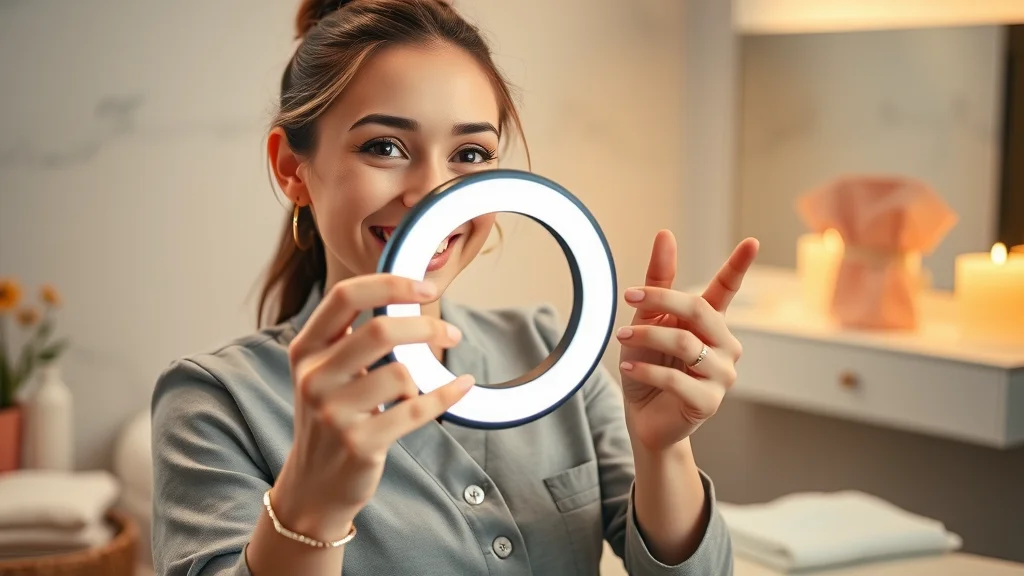
Spa staff member filming a trendy product spotlight in a treatment room, modern lighting, chic spa setup

Using Video Marketing to Tell Your Spa Story

Video marketing brings your spa’s personality to life. Potential clients want to see your space, meet your team, and understand your approach before booking.

Simple, well-lit videos introducing your staff, demonstrating treatments, or sharing behind-the-scenes moments spark trust and curiosity.

Short reels, live Q&A sessions, virtual tours, and client success stories work well on all media platforms. Consider collaborating with local business partners on co-branded content.

Remember: Professional video production isn’t required—authenticity matters more than polish. Make sure calls-to-action are clear: invite viewers to schedule, ask questions, or stop by in person.

Offline Spa Marketing Strategies: Connecting Local Businesses & Community

Direct Mail Campaigns and Tangible Touchpoints

Though digital dominates, a thoughtful direct mail campaign is still a powerful tool for building awareness in your neighborhood.

Well-designed postcards, exclusive invitations, or “welcome” packages can stand out in a world of crowded inboxes. Highlight new spa service launches, special promotions, or loyalty program details that incentivize bookings.

Consider sending:

  • Seasonal offers to residents in nearby zip codes

  • Birthday or “we miss you” cards to past guests

  • Custom VIP invitations to community influencers

Partnering with Local Businesses for Mutual Growth

Teaming up with nearby restaurants, hotels, boutique gyms, or wellness shops creates cross-promotion opportunities and broadens your local reach. Host collaborative events, co-create wellness packages, or swap referral cards.

Joint marketing ideas benefit everyone: your spa gains access to new audiences, and partner businesses deepen loyalty too.

Build relationships through regular networking, share social media shout-outs, and offer reciprocal spa promotions.

Winning together strengthens your brand awareness in the local market—and makes your spa the go-to for group bookings, celebrations, and retreats.

  • Collaborative events

  • Cross-promotional spa marketing ideas

Spa professional and local business owners at a networking table, bright and warm spa-café setting

Hosting Spa Services Promotions and Open Houses

Nothing builds strong community ties like welcoming potential clients into your spa. Host open houses, wellness workshops, or themed experience nights to introduce your staff, showcase your latest spa services, and allow guests to sample products or treatments.

These events can create excitement, draw in foot traffic, and generate buzz long after the event ends.

Promote the event in your marketing campaign: share sneak peeks on social media, distribute flyers to local businesses, and gather emails for future newsletters.

Open house events also provide great photo and video marketing opportunities for future use—capture connections, guest smiles, and joyful moments to extend your reach online.

Friendly spa therapist offering samples to guests at a welcoming open house, fresh decor and sunlight

Paid Advertising and Email Marketing: Targeted Approaches for Spa Owners

Running Effective Paid Ads for Spa Marketing

Paid advertising lets you reach potential clients beyond your existing network—instantly. Use Google Ads to target “med spa,” “massage therapy,” or “facial near me” search terms.

Facebook and Instagram offer robust local targeting, letting you promote seasonal spa promotions, new spa services, or last-minute openings.

To maximize your investment, use high-quality images and clear calls to action: “Book now,” “Claim your offer,” or “Discover our memberships.”

Review ad analytics regularly and refine your targeting based on results. Use retargeting ads to remind guests who visited your website or social media platforms but didn’t book.

Paid ads, when combined with organic efforts, can propel your brand above local competitors.

  • Search ads targeting med spa, spa service, and local audiences

  • Social media ad campaign tips

Email Campaigns and Newsletters: Nurturing Loyal Clients

Consistent email marketing keeps your spa top-of-mind and helps drive repeat bookings. Segment your email lists by spa service interests (e.g., skincare vs. massages), guest types (first-timers, VIPs, lapsed clients), or birthday month.

Personalize every message—use the guest’s name, recommend services, and offer exclusive perks. Consider monthly newsletters that blend promotions, wellness tips, and behind-the-scenes updates.

Share seasonal offers, announce new treatments, and invite guests to private events. Monitor open and click rates for every campaign, and refine your messaging based on guest feedback.

Over time, your email campaigns can become a trusted extension of the spa experience—inviting, informative, and personal.

  • Segmentation by spa services and guest type

  • Seasonal offers and exclusive content

Relaxed spa guest reading an email newsletter in a contemporary waiting area, spa ambience, gentle lighting

Monitoring and Measuring Your Spa Marketing Campaign Results

KPIs and Analytics Every Spa Owner Should Track

You can’t improve what you don’t measure. Track the effectiveness of your spa marketing strategies using straightforward KPIs: website visits and conversions, online bookings, referral traffic from social media, email open and click rates, and return-on-investment for paid ads.

For local SEO, monitor search engine rankings and the number of new reviews your spa receives.

Regularly review these analytics and look for both positive trends and red flags. Which marketing ideas are most effective at drawing in your target audience? Which channels produce qualified leads, not just clicks?

Set up monthly dashboards so you can make informed decisions quickly—saving time and reducing guesswork.

Making Adjustments to Your Spa Marketing Strategies

Continuous improvement is key to long-term spa growth. Use your data to identify what’s working and what isn’t in your marketing campaign.

If certain social media platforms aren’t delivering, experiment with video marketing or direct mail. If email open rates drop, refresh your content or subject lines.

Schedule quarterly reviews to celebrate wins and brainstorm fresh marketing ideas. Involve your team in the process—often, your staff have valuable insights about guest feedback and emerging preferences.

Stay agile, curious, and responsive to both digital analytics and real-world conversations with your guests.


Marketing Metrics Dashboard Template for Spas

Metric

Tool

Goal (Monthly)

Website Bookings

Booking Software, Google Analytics

+20%

Google Reviews

Google Business Profile

10 new reviews

Email Newsletter Opens

Email Marketing Platform

30%+

Social Followers

Instagram/Facebook Insights

+100 new/month

Creative Spa Marketing Ideas for 2026: Inspiration & Innovation

  • Unique spa service packages

  • Themed experiences and memberships

  • Community wellness events

To keep your spa brand fresh and exciting, explore creative strategies: offer seasonal or themed packages, host interactive workshops (think “Self-Care Saturday” or couples’ retreats), or create limited-edition memberships with special perks.

Partner with local artists or nutritionists for joint wellness events, or collaborate on charity initiatives that give back to your community.

Encourage team brainstorming sessions to surface new marketing ideas. Experiment with pop-up events, guest speakers, or DIY spa kits.

The more memorable and experiential you make your offerings, the more likely clients are to book, share, and recommend your spa in your local market.

Exciting themed spa experience with a group of guests participating in a seasonal workshop, vibrant decor and cheerful energy

Empowering Your Spa Team: Marketing from the Inside Out

Brand Awareness and Staff Engagement in Spa Marketing Strategies

Your team is the heart of your spa—and the secret weapon in your marketing strategy. Foster brand awareness by involving staff in campaign planning, providing regular training, and sharing marketing goals openly.

Encourage them to share their expertise on social media or greet guests with personalized recommendations.

When your staff understands your unique brand story and feels valued, their enthusiasm and commitment shine through for every client.

Celebrate marketing wins together, highlight team achievements in your newsletters, and create an environment where everyone feels invested in the spa’s growth.

Staff Training, Incentives, and Collaborative Campaigns

Continued training keeps your staff updated on the latest spa services and best practices for guest care. Offer incentives for spa promotion ideas that work—such as bonuses for generating new reviews or referrals.

Let your team participate in campaign themes, guest event hosting, or content creation for social media platforms.

Monthly brainstorming sessions can spark innovative marketing ideas and strengthen your spa’s culture.

Empowered staff are natural brand ambassadors, helping to build deeper guest relationships—and fueling the exceptional guest experiences that become your best marketing tool of all.


Team Roles & Responsibilities in Spa Marketing

Role

Marketing Responsibilities

Owner / Manager

Strategy, budgeting, partnerships, analytics review

Front Desk

Online review requests, guest booking follow-up, social content

Therapists

Guest education, in-service upselling, video demos

Marketing Lead

Campaigns, ads, email newsletters, social posts

People Also Ask

What are the 5 P's of marketing strategy?

  • Answer: The 5 P's of marketing strategy are Product, Price, Place, Promotion, and People. In spa marketing strategies, this means refining your spa services, pricing them competitively, being strategic about your location, implementing creative marketing ideas, and ensuring your team delivers an exceptional guest experience.

What are the 4 marketing strategies?

  • Answer: The 4 primary marketing strategies — also called the marketing mix — are product, price, place, and promotion. For spa marketing strategies, these refer to your offerings, your pricing, your physical/online presence, and how you promote your brand.

How to boost sales in a spa?

  • Answer: To boost sales, spa marketing strategies include running seasonal promotions, using personalized email campaigns, optimizing your local SEO, and promoting multi-service packages. Focusing on guest experience and consistent follow-up nurtures loyalty and repeat visits.

How to attract customers in a salon?

  • Answer: Successful spa marketing strategies for salons and spas involve leveraging referral programs, social media videos, partnerships with local businesses, and creating an inviting online presence that clearly showcases your spa services and reviews.

Frequently Asked Questions About Spa Marketing Strategies

  • What is the most important element of spa marketing strategies in 2026?
    Personalization—tailoring every offer and interaction to guest needs and preferences. This creates lasting loyalty and word-of-mouth referrals.

  • How do I know if my spa marketing campaign is working?
    Monitor KPIs like bookings, reviews, website visits, and guest feedback. Regular analytics reviews and guest surveys offer clear insight into what’s driving results.

  • Is it better to focus on digital marketing, offline marketing, or both?
    A mix of both delivers best results. Digital marketing attracts today’s online shoppers, but offline strategies—like direct mail and events—build strong local relationships.

  • How can I market my med spa to younger audiences?
    Leverage social media platforms like TikTok, offer trending wellness treatments, and create short, engaging video content. Partner with local influencers and design packages that resonate with Gen Z and Millennials.

Key Takeaways to Improve Your Spa Marketing Strategies

  • Personalized spa marketing strategies outperform generic approaches

  • Monitoring results is vital for ongoing success

  • A strong team culture translates to better guest experiences and growth

Your Next Step for Spa Marketing Strategies Success

“Effective spa marketing strategies are all about clarity, connection, and consistency. Start small, but start today.”

Conclusion: Building Spa Marketing Strategies That Last in 2026 and Beyond

Ready to refresh your spa’s marketing without the stress? If you’d like help turning this guide into a simple, actionable plan for your own spa, feel free to reach out.

I’m always happy to share ideas, answer questions, or walk you through what’s working best for spa owners right now. Connect with me anytime — your next step doesn’t have to be complicated.

Spa Marketing & Business Growth

3 Views

0 Comments

Write A Comment

*
*
Related Posts All Posts
12.13.2025

Must-Have spa Business Website Features for Maximum Growth

Must-have spa business website features are the tools that make it easy for guests to trust your spa, understand your services, and take the next step without confusion. When your website removes friction—through clear navigation, simple booking, and reassuring details—it quietly supports steady growth instead of relying on constant promotions. The right features help your site work for you around the clock, even when you’re busy taking care of guests. Building a successful spa business starts with a website that truly connects with clients. When your site offers seamless booking, soothing design, and clear information, growth isn't just possible—it's inevitable. Discover how the right features transform visitors into loyal customers and elevate your spa’s success.Connecting with Clients: Why Spa Business Website Features Matter More Than EverIf you’ve ever questioned why spa business website features really matter, you’re not alone. For many spa owners and managers, the website is both a mystery and a headache. Here’s the true reality—your website often sets the stage for every guest experience before they ever walk in your doors.In 2026, as more guests book, browse, and decide online, your website isn’t just a calling card; it’s the heart of your business. Think of it as the “digital front desk.” It shapes trust, drives bookings, supports your staff, and reflects your brand’s promise with every click.Guests are busier, pickier, and more tech-savvy than ever. Whether you run a med spa, day spa, or salon or spa hybrid, a website with outdated or missing features loses potential clients the moment they arrive.Even small improvements—like adding real online booking, staff bios, or mobile-friendly content—can instantly set you apart from competitors.The right spa business website features make it easier to convert browsers into bookers, keep your team’s schedule full, and earn the trust that keeps guests returning.Ultimately, your site should relieve overwhelm—both for your visitors and you as the business owner.By focusing on features that match the way guests want to interact—quickly, confidently, from any device—you’ll create a smoother path from interest to loyal relationships, not just another pretty web page. What You’ll Learn About High-Impact Spa Business Website FeaturesWhich essential spa business website features directly influence guest trust and bookingsHow to evaluate your current spa website for gapsCommon pitfalls and how to avoid themReal-world examples from med spa and salon or spa leadersThe Foundation: What Makes an Effective Spa Business Website in 2024?“Your website is often your first front desk—it sets the tone before guests ever walk in your doors.” – Spa Owner, New YorkA modern spa website is much more than a digital brochure. It’s the filter through which nearly every potential client will judge your business, especially as Internet traffic becomes overwhelmingly mobile and reviews drive word-of-mouth.The non-negotiable foundation for 2026 is an easy, enjoyable, and trust-filled online experience.Start with what your guests and team actually need. First-time visitors want clear service menus, visible prices, and proof of your staff’s skills.Returning clients want fast booking and reassurance that their favorite esthetician is still with you. Owners, meanwhile, need features that cut down on phone tag, manual scheduling, and data headaches.The best spa business websites anticipate friction and smooth it out—every click, every step, every page. They’re designed not for the developer, but for your real, human guests and for spa managers juggling a dozen hats at once.In short, a high-converting spa website is like having your most capable front-desk team—polished, attentive, and always ready—24/7. FeatureWhy It MattersExampleOnline BookingIncreases convenience, reduces callsClear, simple 'Book Now' buttonMobile-Responsive DesignEnsures smooth experience on any deviceAdapts to phones and tabletsService Listings with PricingBuilds trust and sets expectationsTransparent menu formatStaff Bios & CredentialsReinforces professionalismShort, friendly introductionsEssential Spa Business Website Features Every Site NeedsTo keep your spa business strong, there are core features every website needs. These aren’t “nice-to-haves”—they’re the backbone of trust, convenience, and conversion for your clients and team.The essentials start with a seamless online booking system, clear service menus, and authentic staff profiles. Let’s dive into each one and see why they matter, using real spa and med spa website examples.When evaluating your own site, ask: Can a potential client book a facial or massage in under a minute? Can they see exactly who will be providing the treatment? Are prices and service options easy to find, without digging through layers of text?If not, you’re likely losing bookings to a competitor’s more functional website design.Seamless Online Booking System for Spa and Salon ConversionReal-time appointment visibilityAutomated confirmationsIntuitive forms (minimal required fields)A seamless online booking system is now the standard for client-focused spa websites. Guests want to view openings, select their preferred time or service, and be done—all within moments.Gone are the days where they’ll wait to call during business hours or send emails back and forth. Think of the booking system as a self-check-in kiosk: simple, inviting, and always available, day or night.Modern spa and salon websites show real-time staff and room availability. When a guest chooses an opening, confirmation emails or SMS are sent instantly, eliminating missed calls and confusion.Intuitive forms with just a few required fields—think name, phone number, and service—keep abandonment rates low. This frictionless process not only boosts bookings but frees up your front desk, letting them focus on guest care, not the phone.“Imagine a guest finishing work at 10pm—they book instantly through your website instead of waiting to call during business hours.” Clear Spa Website Service Menus and PackagesClickable categories and filtersConcise, jargon-free service descriptionsProminent 'Book Now' links per serviceGuests arrive on your site wanting to know: What do you offer? How much does it cost? Will this service fit my needs?A clear, well-organized spa website service menu answers these questions up front, reducing hesitation and making booking a logical next step.Organize offerings into clickable categories—such as facials, body treatments, med spa injectables, or salon or spa packages—so clients can browse quickly and select what fits.Descriptions should be short, friendly, and in plain English—skipping complicated jargon. This not only builds trust but also allows first-time visitors to understand what makes your approach special.Every menu item should have a prominent “Book Now” link, ensuring guests never have to backtrack or search for contact details. When your service menu is both transparent and easy to navigate, your potential customers feel respected and empowered.Showcasing Staff Credentials and Team PersonalityProfile photos with welcoming smilesBrief credentials for med spa expertsPersonal touches (favorite treatments or wellness philosophy)For spas and med spas alike, staff are the heart of your brand. Trust hinges on your team’s qualifications, warmth, and care—so let these qualities shine online.Featuring staff photos—genuine, smiling, and professional—humanizes your website instantly. Add quick bios that highlight credentials for specialists, massage therapists, or med spa providers, underlining your standards and expertise.Even one or two lines about favorite treatments or wellness philosophies can make a big difference for potential clients.It helps site visitors picture who will take care of them—and lets returning guests confirm their favorite expert is still part of your team.Staff profiles reinforce the professional website impression that separates serious businesses from casual competitors in every spa business market. Standout Visuals: Website Design, Stock Photos, and Branding for Spa WebsitesColor schemes that reflect your spa’s moodProfessional, serene imagery (avoid crowded or generic photos)Consistent fonts and design elementsFirst impressions matter—online as much as in your actual lobby. Website design that uses calming colors, consistent fonts, and high-quality stock photos signals a polished, welcoming space before a guest contacts you.Think of your site’s visuals as a virtual extension of your spa’s physical brand; every texture, shade, and image should feel like a deliberate, soothing guest experience.Avoid the trap of using generic or cluttered images that could belong to any med spa or salon or spa. Instead, choose or commission photos that reflect your treatments, team, ambiance, and unique culture.Your brand’s tone—whether it’s modern and clinical or cozy and holistic—should guide all style choices for your spa business website features.Elements like a harmonized color palette and spacious layouts make your pages inviting and easy to navigate, creating a sense of relaxation from the very first click. Mobile-First: Why Responsive Spa Business Website Features Are Now Non-NegotiableFast loading on all devicesNo pinching/zooming to read contentTap-to-call and location linksA decade ago, most bookings happened on desktop computers. Today? Over 60% of internet traffic to small business web pages—especially salons and spas—comes straight from mobile devices like phones or tablets.If your site is slow, cluttered, or hard to use on a mobile device, you’re turning away a huge portion of your potential clients. Mobile-responsive design means your site adapts seamlessly, looking sharp and functioning perfectly on screens of any size.This isn’t just a technical detail; it’s a must-have for capturing your busiest, most impulsive guests. Features like tap-to-call, faster page loading, and click-to-map links put answers a thumb’s tap away, increasing bookings and decreasing frustration.When evaluating your website, pull it up on your phone. If booking a massage or facial takes more than two taps or involves pinching the screen, it’s time for a refresh to modern spa business website features. “A mobile-friendly site isn’t a nice-to-have—it’s essential for busy guests on the go.”Trust-Building Spa Business Website Features Your Guests Notice (and Competitors Miss)Trust is your single most important asset online. Guests need to feel safe, informed, and reassured at every stage.That’s why features like real reviews, visible testimonials, and easy, friendly contact options can lift your spa or med spa website far above the competition. These digital “word-of-mouth” signals are often what sway undecided visitors to book—particularly those new to your brand or the area.Don’t overlook the power of making it easy to ask questions, get directions, or see how other guests have enjoyed their treatments.Publicly responding to negative reviews, sharing authentic stories, and showing you’re accessible foster confidence in both first-timers and loyal fans. These feature-driven moments aren’t about trend—they’re about being the kind of business that people want to trust with their well-being.Real Reviews, Testimonials, and Guest StoriesRotating testimonial carouselsClear review request prompts after appointmentsVisible response to negative feedbackDisplaying real guest feedback—authentic, unfiltered, and regularly updated—is a game-changer for spa business website features. Story-driven testimonial carousels or before/after narratives show prospective clients what your team delivers, in terms that build real-world trust.Automated requests for reviews after every appointment increase your volume of happy stories, while visible staff responses to criticism prove your commitment to continuous improvement.Potential customers often choose a new spa based on what they read from previous guests.Integrating Google, Yelp, or Facebook reviews, and making it easy for clients to share their experiences, strengthens your credibility as a professional and approachable business. Responsive displays, including brief video testimonials or “star” ratings, let your best clients advocate for you with their own words and smiles. Easy Contact Options (Chat, Call, Map Integration)Sticky 'Book Now' or 'Contact' buttonsSimple forms (name/email/phone)Google Maps embed for spa and salon locationsRemoving barriers to communication makes a huge difference in turning potential clients into actual bookings.Sticky contact buttons—visible at the top or bottom of every page—mean no one has to hunt for your phone number or booking form. Keep message forms short (think name, email, and optionally phone) so clients aren’t deterred by long fields.Google Maps integration allows guests to get instant directions without leaving your website—a small, but critical, essential feature that speaks directly to busy, on-the-go guests.Some spa business websites even offer website chat or Facebook Messenger links for instant answers. These simple touches show you respect your guests’ time and make it easier for both new and returning clients to reach out, ask questions, or book right away.Boosting Social Proof and Community: Social Media Integrations for Spa WebsitesInstagram galleries refresh automaticallyDirect links to med spa and salon or spa Facebook events/pagesShare your team’s spa business culture with real images and videoToday’s site visitors expect to see more than just static images—they want living proof of your active, thriving community.Embedding Instagram galleries or recent Facebook posts turns your website into a “living room” for your brand, where real guests and staff interactions are always on display.Potential clients want to see before/after results, staff celebrations, or behind-the-scenes looks at daily spa life—these are the trust signals that connect on a human level.Link out to active social media pages, feature stories about your business culture, and invite site visitors to engage with your team in real time.This strengthens your online presence and helps new med spa guests or salon or spa clients envision themselves a part of your loyal following. Social galleries that update automatically show new product launches, special events, and staff milestones, reinforcing both authority and approachability. Making Management Easier: Essential Features That Save Time for Spa OwnersAutomated reminders and cancellationsReal-time staff scheduling viewIntegrated payment options (Stripe, Square, etc.)Running a spa or med spa means managing staff, schedules, payments, and cancellations—often all at once. The best spa business website features don’t just serve guests; they empower spa owners and directors to work smarter, not harder.Look for integrated tools that automate appointment reminders by text or email, share a live “at a glance” schedule for your whole team, and streamline payments with platforms like Stripe or Square.By minimizing manual admin, you keep more time and energy for guest care and for your team.Outdated or piecemeal systems create confusion, friction, and errors—automated features catch missed appointments early, help guests self-manage bookings, and protect everyone’s time.A business web platform designed for clarity and ease not only reduces stress but also boosts conversion rates and business growth in measurable ways.Keeping Guest Data Safe: Privacy, Security, and Compliance for Spa WebsitesEncrypted bookings and payment formsClear data privacy statementAutomatic software updates for securityYour guests trust you not just with their well-being, but also with their most sensitive information. Secure spa business website features ensure that every transaction and appointment is encrypted—meaning their data is scrambled and protected from hackers.Visible privacy policies, up-to-date software, and secure booking/payment pages are as important to your brand reputation as your towels or treatment beds.Don’t assume your web builder or booking system is handling this for you—ask for confirmation and verification.If you or your team aren’t sure about terms like SSL (secure sockets layer) or encrypted data, think of it like a locked treatment locker—only the person with the right code ever gets in.Making your privacy standards clearly visible calms even the most security-conscious new clients, building the kind of trust that boosts loyalty and recommendations. “Guests need to feel as safe online as they do in your treatment rooms.”How Spa Business Website Features Drive More Bookings: The Conversion ConnectionExample: A mobile guest books a facial in under one minuteScenario: A new med spa client picks your business based on reviews and clear team biosReduction in admin calls saves hours weeklyLet’s connect the dots: Every essential feature of your site—smart booking, warm branding, visible staff bios, and easy mobile navigation—removes friction and boosts your conversion rate.Imagine a potential client finds your med spa while on their phone during lunch. In less than a minute, they view glowing testimonials, see your lead esthetician’s credentials, check real-time openings, and confirm a booking—all without a single call.Compare that to the old path: clunky, desktop-only pages, no staff info, hidden prices, or missed messages because forms don’t work on mobile devices.Each gap is an opportunity lost—to a competitor or to guest frustration. As your features stack up, your admin headaches shrink; fewer phone interruptions, fewer double-bookings, and less time spent on basic tasks.That’s the “conversion connection”—the invisible engine that powers both growth and peace of mind for spa owners.People Also Ask About Spa Business Website FeaturesWhat are the key features of a good website?A good spa website offers easy online booking, transparent service menus and pricing, mobile-responsive design, staff team bios, guest testimonials, clear contact options, and secure payment features.These essentials combine to create an inviting, trustworthy experience that encourages guests to book—with minimal effort or confusion.What are the 7 C's of a website?The “7 C’s” refer to: Context (site layout and design), Content (useful info like service menus), Community (guest interaction and reviews), Customization (personalization options like choosing a favorite therapist), Communication (easy chat/contact), Connection (links to social media), and Commerce (online bookings and payments). For spas, each “C” supports a smooth, guest-focused journey.What is spa website design?Spa website design focuses on creating an online space that reflects your brand’s mood and professionalism—through calming colors, clean layouts, branded images, and intuitive navigation.Great design builds trust by making info easy to find, guiding bookings, and visually welcoming guests, much like a physical spa’s ambiance.What should a professional website include?Every professional website should feature: up-to-date service and pricing menus, staff bios, online booking, guest reviews, clear location/contact info, mobile-friendly layouts, secure booking/payment pages, and a strong brand identity throughout.These features aren’t just trends—they’re the backbone of real-world guest conversion and business growth. FAQs: Spa Business Website Features for OwnersHow can I update my spa website without knowing how to code?Many platforms (like Wix, Weebly, Squarespace, Mindbody, or Booker) are built for non-technical users.You can update service menus, staff photos, and pricing using drag-and-drop editors or by following simple step-by-step guides. When in doubt, ask your web provider to walk you through these changes.What’s the difference between a med spa website and a standard spa website?A med spa website highlights licensed medical professionals, advanced services (like injectables or lasers), and compliance with health regulations.Standard spa sites focus more on relaxation and wellness. Both need trust-building features, but med spa sites should emphasize staff credentials and safety even more.Do I need all these features at launch?No—start with booking, service menus, and mobile responsiveness. Add team bios, reviews, and automation as you grow.Incremental changes matter more than pressure to “do everything” at once.How often should I update my service menu or photos?Aim to review your service menu every season or after any big change. Photos and staff bios should be updated at least once a year.Keeping content fresh signals professionalism and shows guests you’re attentive to details.From Overwhelm to Action: Key Takeaways for Spa OwnersYour spa business website features set the stage for bookings, trust, and growth.Start with booking, menus, and mobile usability—then add social proof and automation.Confident, incremental changes have a bigger impact than chasing trends.“Even if your spa website isn’t perfect now, small feature upgrades can create a huge difference in guest experience and revenue.”Feel Ready to Move Forward?If you’d like help applying this to your own spa website—or you just want clarity before making changes—you’re welcome to reach out. There’s no pressure. Just a conversation to help you move forward with confidence.Conclusion: Turn overwhelm into action. Upgrade your spa business website features to make booking easier, raise guest trust, and grow your success—one thoughtful change at a time.

12.13.2025

Master Spa Website Content Strategy to Captivate Clients

A master spa website content strategy focuses on guiding visitors with clear, calming, and purposeful content that helps them feel understood, informed, and confident from the first click. When your words answer real guest questions and mirror the care they’ll receive in person, your website becomes more than information—it becomes reassurance. This matters because content that feels human and intentional builds trust, keeps visitors engaged, and supports long-term relationships with your clients.Did you know 70% of spa clients decide their booking based on online content? Mastering your spa website content strategy means captivating visitors and turning clicks into loyal clients.If your site feels confusing or fails to convert browsers into guests, you’re not alone—it’s a common pain point.In this comprehensive guide, you’ll discover how purposeful, guest-centric content not only builds trust but also unlocks more bookings, stronger brand reputation, and a calming first impression—just like entering your lobby for a treatment.Let’s break the jargon and simplify strategy, so you can confidently make website decisions that fill your books and satisfy your guests.Why Spa Website Content Strategy Matters for Your Medical Spa’s SuccessYour website is more than a digital brochure—it’s the heart of your medical spa’s online presence, the first touchpoint for many potential clients, and the foundation of your spa marketing.In an industry built on trust, relaxation, and personal care, a clear spa website content strategy does the invisible work of welcoming, educating, and reassuring every guest before they ever step foot inside your spa.If your content is scattered, outdated, or feels impersonal, guests notice—and they move on quickly. A thoughtful strategy makes your expertise, story, and promise shine through, turning casual visitors into loyal clients and advocates who return and refer others.Imagine a guest landing on your homepage: are they greeted with calm clarity and easy navigation, or overwhelmed by too many options and confusing jargon?The difference determines whether they feel confident enough to book an appointment.Crafting user-first content ensures every page, from services to FAQs, reflects the care and professionalism your spa delivers in person.By connecting your digital presence with your physical spa experience, you consistently set yourself apart in a crowded market—driving bookings, building trust, and establishing a loyal client base for sustainable growth.“Think of your spa website content strategy as the story welcoming guests through your digital doors—warm, clear, and reassuring, just like the service at your front desk.”What you’ll learn about an effective spa website content strategyHow a purpose-driven spa website content strategy attracts your ideal clientsSimple frameworks to plan and elevate your spa content without tech overwhelmHow content strategy interlocks with spa marketing, your wider digital presence, and guest conversionRealistic, plain-language examples you can use for your own spa website todayUnderstanding the fundamentals: What is a spa website content strategy?Content strategy in plain English: No more tech jargonIf the term “content strategy” sounds technical, you’re not alone—it often gets tangled in marketing lingo. In simple terms, spa website content strategy is your plan for what you say, how you say it, and when you say it across your online content.Think of it like planning out a guest’s journey through your spa: each touchpoint, from reception to treatments, is mapped for a seamless, welcoming experience.In the digital realm, that means deciding what content your visitors need—at each step—to answer their questions, inspire trust, and make booking easy.A good strategy avoids random fixes and scattered blog posts. Instead, it’s intentional: every page, post, FAQ, and service description serves a clear purpose.For spas, this means content is always written in a warm, calming tone, free of jargon, and designed to build trust and anticipation.Just as you wouldn’t wing the guest journey in your spa, don’t leave your digital experience to chance. The better your plan, the more empowered your potential guests feel when deciding to book with you.How content strategy supports spa marketing, digital presence, and guest trustYour website content is the bridge between your brand and your clients. A well-planned spa website content strategy integrates directly with your broader spa marketing plan and strengthens your digital presence. How so?When your content answers the real needs and worries of your ideal clients—addressing common questions, sharing your unique story, and setting realistic expectations—it builds trust.In an industry where personal comfort and safety are paramount, great content reassures guests while signaling your medical spa’s expertise and ethics.Effective spa content marketing means delivering information that encourages visitors to linger longer, move through your site with confidence, and ultimately book.This trust-building process is the online equivalent of soothing a guest with your voice and service when they walk through your spa doors.When your content aligns with your values, matches your in-person experiences, and removes friction at every step, you’re not just informing—you’re converting. That’s the foundation of strong bookings and repeat visits.The core elements of a high-converting spa website content strategyKnowing your spa audience: The foundation of effective spa contentAll strong spa website content strategies start with one question: Who is my ideal guest?Take a moment to picture your best clients—the people who come back, refer friends, spend on higher-value services, and leave glowing reviews. What do they care about? What words put them at ease?Understanding your audience lets you tailor every piece of content to their needs, fears, and aspirations. For example, a medical spa’s visitors might crave clinical expertise and reassurance, while wellness retreat guests may crave tranquility and self-care routines.Start by gathering feedback from actual guests—ask what they wish they’d known before booking or what drew them to your spa over others.Next, review analytics: Which pages do visitors spend time on? Where are they dropping off?These insights inform everything, from the language on your homepage to the FAQs you answer.Guest-centric content—written in plain English—turns a generic site into a personalized, trust-building experience that attracts more loyal clients and keeps your schedule booked.Crafting your unique value: What sets your medical spa or wellness center apartTo stand out in a saturated market, your spa website content strategy should clarify what makes your spa, medical spa, or wellness center special.This goes beyond listing treatments—it’s about sharing your “why.” Maybe you offer a unique combination of medical expertise and holistic wellness. Or perhaps your team’s credentials, technology, or guest care processes are unmatched locally.Your content should highlight these differentiators in plain language—on your home page, service pages, and even social media.Real-world example: Imagine you specialize in skin treatments for sensitive skin. Use stories or showcase testimonials from guests who found relief after years of trying elsewhere. Detail your protocols, and spotlight endorsements from respected practitioners.This evidence-based, guest-centered approach builds trust and attracts the very clients who’ll value and recommend your spa the most. Remember, potential clients are searching for reassurance—give them reasons to choose you at every click.Mapping the guest journey for your spa website content strategyYour website should match the smooth flow of an in-person spa visit: entering, exploring options, asking questions, booking, then returning.That’s the essence of mapping the guest journey for your content strategy. Each step—awareness, research, booking, and retention—deserves specific content support.For example, your home and service pages welcome and inform, while FAQs and about pages build trust. Blog posts answer timely concerns, and booking info removes friction.A practical tip: Walk through your website as your ideal guest. Is it clear what you offer? How to contact you? What makes your approach special? Can guests find answers fast?This exercise surfaces confusing spots and highlights content gaps—perhaps clients can’t easily read about your team’s credentials, or they miss the value in your signature packages. Each mapped touchpoint allows you to address questions, reduce anxieties, and inspire bookings with clarity.Types of spa content that influence bookings and brand reputationHome page and service pages: Your digital front deskYour website’s home and service pages are more than digital brochures—they’re your virtual front desk, delivering that critical first impression.These pages need to do three things quickly: welcome visitors, reassure them with professional credibility, and clearly show how to take the next step.Use inviting images, direct language, and concise information about what makes your spa stand out.For medical spas, clarity around treatment methods, safety protocols, and before–after expectations is essential. For all spas, highlight your unique offerings with guest-friendly terms and an easy booking flow.Avoid filler and fluff—focus on what builds trust, answers real questions, and encourages instant action. A guest who feels seen and understood from the start is much more likely to book and keep coming back.About page: Building trust with genuine spa storiesNever underestimate the power of the “About” page. This is where building trust happens: potential clients want to know who you are, what you value, and why you do what you do.Share the real story—how your spa was founded, your team’s certifications and passions, and your commitment to guest care. Human photos, heartfelt bios, and behind-the-scenes glimpses make a world of difference.Use your About page as a digital handshake, setting the tone for everything that follows. Guests are far more likely to trust and book from a spa that feels approachable and authentic.Consider sharing short video content or testimonials to put faces and voices to your promises, turning hesitant browsers into loyal clients who feel invested in your mission. Blog and educational resources: Spa content marketing in actionBlogs, guides, and educational resources are at the heart of effective spa content marketing. Not only do they address common questions (“Which facial is right for me?”“How can I extend my results at home?”), but they also spotlight your expertise, boost search engine visibility, and keep your site lively and up to date.Every article, FAQ, and explainer gives guests a reason to explore, linger, and return—building authority with each helpful post.The best spa blogs strike a balance between educational content and subtle encouragement to book. For example, a “How to Choose the Right Massage for Stress” guide can naturally link to your massage services and team bios.Regularly updated content also signals to search engines that your site is active—improving rankings, which means more potential clients discover you first.Blog posts, images and videos, and downloadable tips are practical ways to nurture guest trust online.FAQ and booking info: Removing confusion and frictionOne of the biggest barriers to conversion on spa websites is uncertainty: guests don’t know what to expect, how to book, or what’s required. That’s why a thorough FAQ section (frequently asked questions) and prominent, friction-free booking info are vital.Address common questions up front—privacy, safety, payment policies, cancellation terms, and treatment prep—in straightforward, reassuring language.Making it easy for guests to reach out—via chat, contact form, or clear call-to-book buttons—removes frustration and builds trust. Think of this as your “virtual concierge”—always available, always helpful.When potential clients find immediate answers, they’re more likely to take the next step with confidence—and that’s how you transform casual website visitors into loyal clients over time.Optimizing your spa website content strategy for search engines and guests Balancing search engine needs and a relaxing guest experienceStrong spa websites walk a careful line: they’re found easily by search engines, but never feel robotic or cluttered to guests.This means optimizing for keywords—like “medical spa” or “spa content strategy”—but always in language real guests would use. Too much focus on what Google wants, and your site starts to read awkward or salesy; too little, and you miss out on visibility and bookings.Practical tip: Write every page for the guest, then polish it for SEO. Use key terms naturally (such as “massage therapy for relaxation” or “licensed estheticians in [City]”), but never jam them in where they don’t fit.Remember: the ultimate goal is to create a seamless user experience that feels like a warm, in-person welcome. Guest-centric content gets read, trusted, and shared—while supporting better rankings over time.Keywords, readability, and clarity: Content strategy that feels humanMany spa owners worry about picking “the right keywords” for their websites. The truth: intentional keyword use is only part of a winning spa website content strategy. You also need to focus on clarity.Aim for short sentences, gentle explanations, and clear navigation. Good readability directly influences both guest trust and search engine results. If a guest can’t quickly find what they need, or stumbles over confusing copy, they’ll leave—and search engines notice those drop-offs, too.A practical example: Instead of cramming a page with “spa marketing,” “content marketing,” and “medical spa” phrases, craft helpful content that weaves these terms into real guest scenarios.That could be a Q&A on “How our spa content marketing brings you the newest wellness trends”—or a testimonial highlighting your social media presence. Remember, every piece of content should answer questions, build trust, and move guests comfortably toward booking.Comparison of Keyword-Focused vs. Guest-Focused Spa Content StrategiesApproachKeyword-FocusedGuest-FocusedPrimary GoalImprove rankings for specific search termsAnswer real guest needs and inspire bookingsLanguageSEO-heavy, sometimes awkwardClear, conversational, empatheticGuest ExperienceOften feels generic or forcedFeels personal, inviting, and easy to navigateLong-term ResultsMay bring more traffic, but fewer bookingsBuilds trust, leads to loyal clients and referralsIntegrating your spa website content strategy with digital marketing effortsSocial media, email marketing, and influencer marketing for spasYour spa website content strategy doesn’t live in a bubble—it should align with all your major digital marketing channels.This means sharing your best content on social media platforms, nurturing guest relationships with regular email marketing updates, and collaborating with trusted voices in the wellness community (think influencer marketing).Every post, email, or feature should point back to your website, guiding guests down the same welcoming digital path.For example, use Instagram to share behind-the-scenes moments, Facebook for Q&A videos, and email newsletters for timely offers and appointment reminders. This creates a sense of community and reinforces your brand personality.Use snippets or highlights from your latest blog posts, testimonials, or spa content to drive consistent traffic and interest—boosting brand reputation and keeping your booking flow strong. Aligning your website, content calendar, and media platforms for consistencyConsistency is the secret ingredient to great spa content marketing. That’s why every high-performing spa blends its website, content calendar, and various media platforms into one predictable, guest-friendly experience.Make sure the same message and level of service are reflected everywhere—whether someone first finds you via a blog, social media, or booking form.A practical workflow: Plan your monthly content calendar around service promotions, guest education, seasonal offers, and timely FAQs—then schedule posts, emails, and stories to match.This not only saves you time, but also builds a memorable, coherent experience for every audience touchpoint. The result?Guests trust what they see, feel supported, and are more likely to become loyal clients who return again and again.Tracking success and evolving your spa website content strategyKey performance indicators: What matters most for spa content marketing?How do you know if your spa website content strategy is working?Track what matters—like website traffic, how many visitors turn into bookings (conversion rate), which content guests spend the most time on, and repeat visits.These are called key performance indicators (KPIs). Looking at the numbers helps you decide what content to double down on and where to tweak your approach.Check where guests drop off before booking, which blog posts attract the most attention, and whether your email newsletter increases bookings or follow-up visits.By measuring real guest behaviors instead of vanity statistics (like sheer page views), you make smarter decisions for your spa’s growth, marketing, and long-term reputation. Guest feedback, analytics, and ongoing improvementGuest feedback is just as valuable online as in-person. Make it easy for guests to share reviews or tell you what content they found helpful—or confusing.Pair this input with analytics from your website (see which pages get the most clicks or have visitors leaving quickly). This balanced approach helps you spot both content wins and improvement opportunities.Best practice: Set a regular review schedule—quarterly or monthly—to check analytics, survey responses, and team observations.Talk with your front desk and therapists, too—they’ll know what guests are asking most often. Every small tweak, whether it’s a clearer service description or a new blog post, moves your spa site closer to being the welcoming, conversion-driving digital space your clients—and you—deserve.Example Metrics to Evaluate Your Spa Website Content StrategyMetricWhat It Tells YouWebsite Conversion RateHow many visitors actually book or contact youAverage Time on PageIf guests are engaged or quickly leaving (bouncing)Most-Read Blog PostsWhich topics build interest and trustFAQ Page VisitsIf your content is answering real questionsEmail Click-Through RateIf your content calendar drives repeat traffic/bookings People Also Ask: spa website content strategy FAQsWhat are the 5 C's of content?The 5 C’s—Clarity, Consistency, Credibility, Creativity, and Conversation—are essentials for a strong spa website content strategy, keeping content guest-focused and trustworthy.What are the 3 C's of content strategy?The 3 C’s—Content, Context, and Channel—mean matching the right content to the spa guest’s moment and choosing the most effective platform, whether that’s your website, social media, or email.Are SPAs SEO friendly?Single Page Applications (SPAs) can be made SEO-friendly using the right technology, but for most spa business sites, traditional multi-page structures with clear spa website content strategy perform better for search and bookings.How to create a content strategy for a website?Start by understanding your spa’s audience, define unique offerings, map out the guest journey, and create a consistent content plan. Blend clear information with trust-building stories for a true spa website content strategy.Actionable steps: Start creating or refining your spa website content strategyAudit your current spa website contentIdentify gaps and opportunities (use guest feedback and analytics)Clarify your spa’s unique value and service promisePlan a content calendar—starting with services, FAQs, and storiesReview for clarity, trust, and conversion focus“Your website shouldn’t be an online brochure—it’s a living, welcoming space that reassures, educates, and inspires guests to book and return.”Key takeaways: Bringing your spa website content strategy to lifeGuest-centric content leads to more bookingsPlain-English information builds trust and confidenceA strong spa website content strategy works hand-in-hand with marketingEvery improvement is a step toward a busier, more trusted spaFAQs about spa website content strategyWhat is the most important element of spa website content strategy?The most important element is understanding your spa’s ideal guests and crafting content that speaks directly to their needs and concerns—building trust and confidence at every touchpoint.This helps transform your website into a welcoming, conversion-focused space that supports steady bookings.How often should you update your spa website content strategy?Review your strategy at least every six months, or whenever you launch a new service, receive consistent guest feedback, or notice a change in bookings.Regular updates ensure your online presence stays relevant, trustworthy, and aligned with both guest needs and modern search engine requirements.Where should I start if my website feels overwhelming?Begin with a simple audit. Walk through your website as if you were a new guest—note where things feel unclear, outdated, or too technical.Focus first on the homepage, service pages, and contact/booking info. Improving these key sections creates quick wins in both guest satisfaction and bookings.If you’d like help applying this to your own spa website—or you just want clarity before making changes—you’re welcome to reach out. There’s no pressure. Just a conversation to help you move forward with confidence.Every great spa website starts with guest-first content. Step by step, clarity and strategy will help you build trust, inspire bookings, and keep your spa thriving.

12.13.2025

Spa Website Color Schemes That Calm and Convert Visitors

A spa website color scheme that truly calms and converts uses soft, natural tones—like muted greens, warm neutrals, gentle blues, and earthy accents—to help visitors feel relaxed and safe while guiding them toward booking. These colors reduce visual stress, build trust, and quietly reinforce the feeling of care your spa offers in person. When your website feels soothing instead of overwhelming, visitors stay longer, feel more confident, and are more likely to take the next step.How can the perfect spa website color scheme enchant visitors while boosting conversions? Discover the calming hues that create a soothing experience and transform clicks into loyal customers, making your spa’s online presence both beautiful and profitable.Whether you manage a bustling city spa or a boutique wellness brand, the right colors will shape your guests’ first impression—and set the stage for trust, comfort, and bookings.If website design feels overwhelming, you’re in the right place: this guide simplifies color palettes into actionable, guest-centered steps you can use with confidence.Why Spa Website Color Schemes Matter: Calming Guests, Building Trust, and Driving BookingsOpening Hook: How the Right Spa Website Color Schemes Influence ConversionsImagine a first-time guest landing on your spa website. In just a few seconds, before reading a word of your copy, they’ve already absorbed the mood, trustworthiness, and professionalism of your business—thanks to your color palette.Choosing the right spa website color schemes isn’t just about aesthetics; it’s a strategic decision that deeply affects guest trust, brand identity, and bookings.Color psychology research repeatedly shows that palettes for wellness brands shape perceptions and decisions. Soft blues, earthy tones, and neutral colors don’t just look beautiful—they create a sense of calm, signalling to visitors, “You’re in the right place to relax.”This is especially important for busy, overwhelmed spa owners who need their website to work as hard for them as their team does in person. What You'll Learn About Spa Website Color SchemesThe connection between spa color palette choices and guest trust10 proven spa website color schemes that support relaxation and bookingsHow to choose a color palette for your wellness brand without overwhelmCommon spa color scheme mistakes to avoidSample swatches and palettes for wellness brands to inspire your next refreshHow Spa Website Color Schemes Fit Into a High-Converting Spa WebsiteThe Role of Color in Spa Website Design and Brand IdentityColor, more than almost any design element, sets the emotional tone of your website. For a wellness brand, a harmonious blend of relaxing spa hues signals that your digital presence matches the care and quality of your in-person experience.When your color palette is chosen mindfully—it aligns with your physical spa decor, your guest expectations, and even the personality of your business—it instantly strengthens your brand identity.This creates a seamless story, assuring visitors that your spa values comfort and professionalism. In the context of website design, calming color schemes do more than please the eye.They guide focus and reduce digital “noise,” minimizing stress and making it easier for guests to move from interest to booking.A thoughtful palette for your spa can boost bookings because guests feel welcomed, at-ease, and confident from the first click. Color Schemes and Guest First Impressions in the Wellness IndustryThe wellness industry is built on trust and comfort. Guests arriving at your spa, whether in person or online, seek a sense of calm and belonging.If the color scheme of your spa website clashes with those expectations—think harsh reds or overly bold neons—you risk losing credibility before you can even say “welcome.”Relaxing blues, gentle greens, and soft beiges are common choices for spa color palettes because they evoke feelings of renewal and tranquility. First impressions truly matter: a visually cohesive spa color palette communicates attention to detail and reassures even first-time visitors that your business understands their needs.The moment a guest senses a harmonious color environment, their journey toward booking feels easier—and more natural.How Spa Color Palettes Guide Booking Paths and TrustEvery color on your website serves a purpose, whether it’s a soothing background or a bolder action button. Calming colors guide visitors, subtly highlighting where to browse, how to find services, and where to book without ever feeling “pushy.”This balance is essential for wellness brands: you want a palette for your spa that lowers anxiety, keeps guests exploring, and leads them to book.Strategic color palettes for wellness brands can highlight conversion points—like “Book Now” or special offers—without breaking the relaxing mood. The result? More guests feel ready to commit, and your conversion rates reflect it.Quick Primer: What Is a Spa Website Color Palette?Understanding Spa Color, Scheme, and Palette — With Real-World Spa ExamplesLet’s keep it simple: a color palette is just the set of colors you choose for your website. Think of it like the signature scents, music playlist, or interior decor you select for your physical spa.Your spa website color scheme is a mix of main hues (backgrounds, buttons), accents (call-to-actions), and neutrals (whites, greys).When you see a calming blue spa page, a neutral earth-tone booking form, or a gentle pop of pale pink in a wellness brand’s header, that’s the color palette at work. Real spas—like Urban Retreat or Coastal Calm Sanctuary—use soft blues and gentle sage green to instantly communicate their values and make guests feel at home.Your palette should work the same way: choosing colors that evoke feelings of calm and trust, not overwhelm or confusion."Think of your color palette like your spa’s signature scent or music playlist — it sets the mood for the entire guest experience, both online and in person."How to Choose Spa Website Color Schemes That Actually Support Wellness BrandsStep 1: Consider Your Wellness Brand Identity and Spa GoalsBefore diving into specific colors, step back and clarify what your brand stands for and who you serve.Are you a high-end urban spa with sleek interiors, or a rustic wellness brand focused on nature? Your answers guide your palette for your spa.Is your goal to attract stressed office workers looking for calm, or adventure-seekers pursuing holistic wellness?Select colors that truly reflect your mission and make your ideal guests feel welcomed—soft blues for tranquility, earthy greens for connection to nature, or a touch of warmth like pale pink for comfort.Always remember: your color scheme should reinforce your spa’s unique story, not follow fleeting trends.Step 2: Common Color Palette Mistakes for Relaxing Spa WebsitesIt’s surprisingly easy to overwhelm a spa website with too many color choices. Common mistakes include using harsh, trendy colors that don’t match your physical spa or copying another brand’s palette for a quick fix.Overusing bold accent colors, poorly matching background and text for readability, or ignoring accessibility standards can all lead to fewer bookings.For a relaxing spa website, less is more—a harmonious blend of 3–5 core colors (plus a few neutral accents) is often your safest, most effective choice.By circulating colors found in your spa’s interior design, towels, and natural elements, you create a visually cohesive guest experience in person and online. Step 3: Choosing Calming vs. Energizing Color Palettes for WellnessColors can either set a soothing atmosphere or spark energy—sometimes both, depending on your service menu. For most spas, calming spa color palettes using soft blues, sage greens, and gentle neutrals create a sense of calm and trust.If your wellness brand includes invigorating treatments like fitness or hydrotherapy, you might layer in subtle energizing hues (think clear teal or a pop of coral) to keep things fresh without overwhelming.Test your palette for your spa by mixing calming background colors with brighter accent buttons for calls-to-action, creating a cohesive pathway from relaxation to booking. Always ask yourself: “Would these colors feel at home in my spa lounge, not just on my site?”Checklist: Factors to Consider Before Picking a Spa Color PaletteBrand purpose and feelingGuest demographics and expectationsAlignment with physical spa designAccessibility and readability onlineTrust, booking, and conversion goals10 Spa Website Color Schemes for Relaxing, High-Converting Wellness BrandsNameDescriptionIdeal ForColor SwatchesSerene OasisSoft blues, seafoam greens, and cloud whites instill instant calm.Luxury day spas, urban wellness studios Botanical SanctuaryEarthy greens, beige stones, and wood accents promote natural wellness.Holistic and eco spas Pale Pink RetreatPale pinks paired with soft beige and gentle sage evoke comfort and care.Women’s spas, beauty-focused brands Naturals & NeutralsWarm taupe, creamy white, touches of sand for trusted simplicity.Multi-location spas, traditional wellness brands Sage & StoneClassic sage green paired with stone grey and crisp off-white refreshes instantly.Medi-spas, modern holistic brands Tranquil TealDeep teal, pale aqua, and soft white evoke the clarity of water and fresh starts.Hydrotherapy spas, day spas by the sea Coastal CalmWashes of blue-grey, sandy beige, with driftwood accents for coastal serenity.Beach spas, coastal wellness retreats Luxury EarthRich clay, dark olive, and creamy stone for grounded sophistication.Luxury and destination spas Lavender DreamsSoft lavender, dove grey, and warm white for gentle tranquility.Massage studios, sleep-focused brands Oceanic CalmVibrant aqua, deep blue, and muted sand for an immersive water-inspired feel.High-end spas, wellness centers with aquatic themes 1. Serene Oasis Spa Color PaletteWhy It Works for Calming, Trust-Building Spa WebsitesThe Serene Oasis palette uses soft blues, seafoam greens, and cloud whites to evoke a powerful sense of calm. For spa color schemes aiming to reduce guest anxiety and build immediate trust, this combination is unbeatable.Soft blues evoke feelings of trust and health, while greens signal rest and renewal—two attributes at the heart of any successful spa experience. The cloud whites lift and brighten the site, making navigation a breeze and keeping the mood light.This type of relaxing spa color palette is especially effective for day spas and wellness brands positioned as urban retreats, where visitors seek a break from city stress in an environment that visually whispers “breathe easy.”Real Spa Example: Urban Retreat SpaUrban Retreat Spa in Chicago transformed its website by trading a generic tan background for layered soft blues and pale seafoam.Across their booking pages, gentle gradients and blues-and-greens accents mirror their plush towels and water features, giving guests a seamless, immersive spa experience from the site to the treatment bed.In just months, the spa saw online bookings jump as visitors responded to the sense of calm and trust conveyed by the palette for their spa—proof that strategic colors aren’t just “nice to have” but a core part of digital wellness branding. 6. Tranquil Teal: Relaxing Spa Website Color SchemeScience Behind Teal for RelaxationTeal is a unique, refreshing blend of blue and green—colors long associated with tranquility and rejuvenation. Color psychology studies show teal lowers heart rate and creates a serene online environment, which is why it’s appearing in more high-end spa color palettes.In web design, using teal as a core brand identity hue, especially when paired with softer aquas or off-whites, can provide a lively yet calming vibe.For wellness brands with active offerings—such as hydrotherapy, aquatic yoga, or vitality treatments—Tranquil Teal promises balance: not too sleepy, not too bright, but a supporting color scheme that gently calls guests to action (like booking or learning more).Best Practices for Using Teal in Color PalettesIf you choose teal as your spa color palette anchor, use it for main website elements—headers, booking buttons, or accent banners—while keeping backgrounds light and uncluttered.The best spa websites limit teal’s intensity with soft neutrals, like pale aquas, warm whites, and subtle wood details. Always test on mobile to ensure teal remains inviting and readable, since some teal hex codes can skew dark or cold on screens.Touches of greenery and organic props in photography help unify the digital color scheme with your real-world spa experience, so visitors feel a seamless transition from web to welcome mat. 10. Oceanic Calm Spa Color PaletteHarnessing Water-Inspired BluesThe Oceanic Calm palette features vibrant aquas, deep marine blues, and touches of muted sand—transporting visitors to a restful, refreshing seaside escape.Water-inspired colors are proven to evoke feelings of relaxation, clarity, and spaciousness, making them ideal for wellness brands and spas seeking to differentiate with a coastal, aquatic brand identity.When guests see ocean blues blended with gentle sand tones on your site, their first impression will be one of expert curation and relaxation. This palette is particularly impactful for spas with pools or aquatic programs and those looking to create an immersive online-to-onsite experience.Complementary Accent Colors for Spa WebsitesTo keep Oceanic Calm balanced (not too cold or clinical), layer in gentle accent colors like warm beige, driftwood, or subtle coral for calls-to-action.These touches help highlight booking sections and promote special offers without breaking the calming, aquatic vibe. As with all spa color schemes, make sure your hex codes render beautifully across browsers; even a slight blue-green shift can alter the guest's perception.If color selection or implementation feels overwhelming, remember: the best palettes for wellness brands are those that harmonize with your real-world decor and feel easy to sustain through season and trend changes alike. How to Implement a Spa Website Color Scheme Without the Tech HeadacheWorking With Your Web Designer or TeamYour spa color palette shouldn’t just exist in theory—it needs to be carried through by your web designer or development team.Start by sharing physical samples, photos of your spa property, or print brochures, so they understand the “real” brand identity you want matched online. Ask for plain-English explanations (not jargon) about how each color will appear in backgrounds, buttons, forms, and imagery.If technical talk feels overwhelming, use analogies: “Can these blues match our treatment rooms?” or “Does this sage green feel like our towels?”Plain-English Tips for Briefing Agencies and ContractorsIf you’re working with an agency, demand clarity: request hex codes written out, and ask to see color mockups on both desktop and mobile. Share your spa’s interior photos or even a favorite art design piece.Make sure the colors chosen evoke the exact feelings you offer guests in person. Explain your audience and booking goals—not just what looks pretty, but what needs to convert browsers into bookers.If you get confused, remember: it’s their job to make color palettes for wellness brands understandable, not to make you feel lost.Simple, Non-Technical Checklist for Launching a New PaletteConfirm your palette for your spa matches your physical space (review with real photos!)Test your main background, accent, and text colors for readabilityPreview all main pages and booking flows on desktop and mobileAsk at least one guest or staff member: “Does this site make you want to relax…or leave?”Get final hex codes and color references saved in a file for future updates Common Mistakes to Avoid With Spa Website Color SchemesOverusing Trendy Colors: Why Looking Unique Isn’t EnoughTrends change rapidly, but your spa’s visual identity should last. Overusing bright, trendy colors can make your website feel scattered or “not you.”This often leads to a mismatch between your online presence and actual spa experience, creating guest confusion or skepticism. Focus on timeless, calming spa color schemes—soft blues, sage greens, neutral tones—that endure where fleeting fads fade.It’s more important that your palette resonates with your audience and supports conversions than it is to look fashionable for a season.Ignoring Accessibility: Not All Guests Experience Color the SameColors don’t look the same to everyone. Many guests experience visual differences—like color blindness or low contrast sensitivity. A spa website color scheme must be tested for readability, with clear contrast between background and text.Otherwise, you risk losing bookings and missing ADA compliance. Use online tools to check your site for accessible color combinations, and always prioritize comfort and clarity over purely aesthetic choices.Forgetting to Test Your Spa Color Palette on MobileMost guests will browse, learn, and even book from their phones. If your color palette looks soothing on a desktop but turns garish or unreadable on mobile, conversions will suffer.Always check all major pages and booking flows using multiple devices, adjusting hex codes as needed so your relaxing spa atmosphere extends from desktop to pocket.Quotes from Real Spa Owners: How Color Scheme Changes Improved Conversions"Changing from cold blues to warm, soft neutrals gave us more calls within a month. Guests told us the site felt like our waiting room: easy and welcoming." – Maria G., Day Spa OwnerLists: Quick Tips for Spa Website Color Scheme SuccessAnchor your core color to your physical spa experience.Review your website’s palette seasonally to stay fresh but not faddish.Test for readability and accessibility on multiple devices.Prioritize guest comfort and trust above mere aesthetics.Use color-blocking strategically to guide bookings or promote offers.People Also Ask About Spa Website Color SchemesWhat are the best colors for a relaxing spa website?The best colors for a relaxing spa website include soft blues, earthy greens, gentle beiges, and subtle pinks.These hues evoke feelings of serenity and trust, which are crucial for wellness brands. Always ensure your palette matches the calming environment you offer in person, keeping bold colors for small accent details only.How do color palettes affect guest bookings online?A well-chosen spa color palette helps guests feel comfortable and safe, making them more likely to stay on your site and ultimately book.Strategic use of soothing backgrounds and clear, inviting action buttons can guide visitors through your website, making the booking process smooth and enjoyable.Color choices signal quality and care—both priorities for guests seeking premium spas.Can I use bold colors in my spa color palette?You can use bold colors as accent highlights, but they shouldn’t dominate your spa website palette. Too many bold shades can create stress, send mixed signals, or lower trust. Reserve brighter hues for calls to action and important info, while keeping the background and major design elements soft and inviting.FAQs: Practical Answers for Wellness Brands Choosing a Spa Website Color SchemeHow many colors should my spa website color palette have?Most effective spa website color schemes use 3–5 main colors: a primary base, two or three secondary hues, and supporting neutrals for balance. This creates enough variety to add interest—without overwhelming guests or diluting your brand identity.Should my spa website colors match my physical spa?Absolutely. Consistency between your online and physical spaces builds trust, reinforces your brand story, and creates a cohesive guest experience. Guests should feel the same sense of calm and recognition whether they’re booking online or walking through your doors.Key Takeaways on Spa Website Color SchemesColor influences trust, relaxation, and bookingsAlign your website palette with your real-world spa environmentBalance soothing spa color choices with accent colors for conversionRevisit your palette as your business grows — but don’t chase trends blindlyReady to Apply Spa Website Color Schemes That Calm and Convert?If you’d like help applying this to your own spa website—or you just want clarity before making changes—you’re welcome to reach out. There’s no pressure. Just a conversation to help you move forward with confidence.

Terms of Service

Privacy Policy

Core Modal Title

Sorry, no results found

You Might Find These Articles Interesting

T
Please Check Your Email
We Will Be Following Up Shortly
*
*
*